Boat owners tend to divide into two camps. The first group treats maintenance as a necessary chore, washing after every run, waxing when time allows, and chasing oxidation with polish. The second group invests in protection up front, then spends the season doing light rinses and quick wipe-downs. Ceramic coating sits at the center of that second approach. Applied correctly, it turns harsh marine realities into manageable upkeep, and it does so in ways that traditional wax never could.
The case for ceramic coatings on boats is not theory. It is an accumulation of sea days, oxidized gelcoats restored, fender scuffs removed, and decks that stayed clean after a long weekend crossing the channel. The physics of marine exposure are brutal. Saltwater leaves mineral deposits that attract dirt. UV radiation from long days at the dock fades gelcoat and chalks paint. Fuel sheen and exhaust residue create a film that bonds to porous surfaces. Ceramic coatings change the surface characteristics of the hull, topsides, and metalwork, which changes how that environment interacts with your boat.
The marine problem set: why boats age faster than cars
Even the best exterior detailing on a car is nothing like maintaining a boat at a mooring or in a slip. Cars see rain and sun, perhaps coastal fog, and road grime. Boats live in or over saltwater, with constant UV, airborne salt, and mechanical abrasion from lines and fenders. On darker hulls, you can see oxidation creeping in within months if maintenance slips. Gelcoat, unlike automotive clearcoat, is more porous and prone to chalking. Bare aluminum and stainless hardware develop tea staining. Vinyl windows cloud and stain. Non-skid decks hold dirt in their texture.
Marine detailing succeeds or fails on two things: surface preparation and the quality of the protection layer. On an unprotected hull, contaminants adhere and etch. Every cleaning requires more agitation and more chemicals, which creates micro-marring that accelerates dulling. Owners then ask for paint correction or heavy compounding to restore gloss, but aggressive correction removes material and reduces future margin for error. A durable ceramic layer changes this cycle by providing a harder, slicker, and UV-resistant skin over the substrate.
What a boat ceramic coating actually is
A ceramic coating is a liquid polymer or oligomer that bonds chemically with the surface and cures into a dense, semi-permanent film. In the marine context, most professional-grade products are based on silicon dioxide, often augmented with organosilane compounds that improve adhesion and crosslink density. When applied to properly prepared gelcoat or marine paint, the coating forms a thin glass-like matrix measured in microns. It does not build visible thickness like a clear bra or wrap, but it does create a hydrophobic, oleophobic surface.
The practical effects are straightforward. Water sheets or beads and carries contaminants away. Salt crystallizes less aggressively and removes more easily. UV absorbers reduce the rate of color fade and chalking. The surface becomes slick, so fender scuffs and dock rash usually mark the coating rather than the gelcoat beneath. When you wash, the boat actually cleans up with less pressure and fewer chemicals. If you do get staining, it often sits shallow enough to lift with a mild cleaner rather than a harsh solvent.
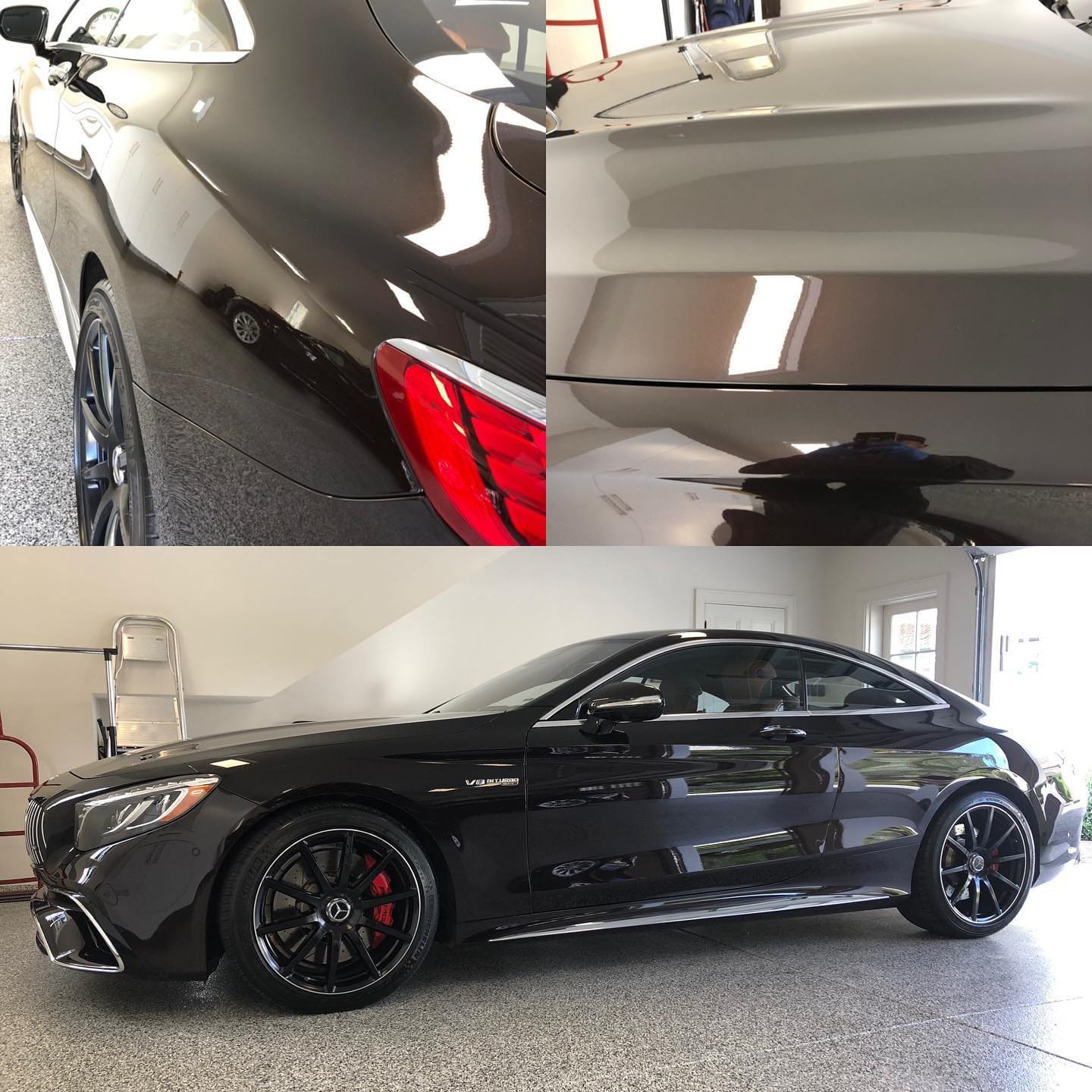
Where ceramic shines on a boat
Hull sides and topsides benefit the most. These are the areas that take sun, salt spray, and abrasion from docking. A coated dark blue hull that normally needs quarterly polishing can go a season with gentle washes and still look wet. On white gelcoat, the difference shows up as brighter, less chalky panels and a consistent gloss line along water contact points.
Metal work, especially stainless rails, cleats, and T-top frames, stays brighter longer when coated. Tea staining and surface rust still occur in aggressive environments, but they wipe off instead of pitting, and you avoid the cycle of abrasive polishing that leaves swirls and thin spots. On anodized aluminum, a coating helps fight the chalky fade common on tower bases and outriggers.
Non-skid decks are more complicated. You can coat them, but you need a formula designed for texture so it preserves traction. The payoff is meaningful. Fish blood, sunscreen, and dock funk lift with less scrubbing, and the deck keeps a uniform color without the blotchy look that comes from aggressive cleaners. Vinyl upholstery and isinglass respond well to coatings designed for flexible surfaces, which add hydrophobicity without making them slick.
Underwater surfaces are a different category. Ceramic coatings are not a substitute for antifouling paint. Some hydrophobic films marketed for running gear can reduce growth and make barnacle removal easier, but boats that sit in water still require proper bottom systems.
Surface preparation determines success
Coating is not a magic eraser. It locks in whatever is on the surface. If you apply over oxidation, embedded stains, or holograms from an aggressive compound, the coating will faithfully showcase those defects. Proper marine detailing starts with a decontamination wash to remove salt and oils, an iron remover or acid rinse on metal-stained sections, and clay or synthetic decon on smooth paint. After that, paint correction or gelcoat refinement restores gloss. On chalky gelcoat, this can be a multi-step process with a rotary and wool pad moving to a dual action finishing pass. The aim is not to chase perfection on every square inch, but to find the honest limit of each panel without thinning edges or burning through ridges.
Once corrected, an isopropyl alcohol or dedicated panel wipe removes polishing oils. The surface must be perfectly clean and cool. Ceramic coating is then applied in small sections, allowed to flash, and leveled to avoid high spots or smeared patches. Curing windows and wipe-down timing vary by product and by conditions on the dock. High humidity and wind demand adjustments. A good installer keeps test swatches in a discreet area to dial in timing before proceeding. After application, the coating needs a dry, clean environment to cure as specified, typically 12 to 24 hours for initial set and up to a week for full hardness. During that time, you avoid water, bird droppings, and detergents.
How coatings change maintenance for real
The best argument for boat ceramic coating is not theoretical longevity. It is how maintenance feels after the job. A coated center console that used to demand a two-bucket wash with a bristle brush now cleans up with a soft mitt and a hose rinse. Salt spots do not crust on the windshield. On a sportfisher, exhaust soot that used to smear into gray streaks wipes away instead of grinding into pores.
Over a season, you wash with a pH-neutral soap and a soft brush for non-skid. You avoid harsh degreasers unless necessary. You keep a spray sealant on board to boost slickness every few washes. The sticker shock comes from the initial investment, but the savings show up in time and the preservation of material. You compound less often, so you keep more gelcoat thickness for future years. Hardware stays brighter, so you do not resort to aggressive polishing as frequently. Upholstery stays cleaner, which extends its life.
The economics: where the money goes and what you save
Marine coatings are not inexpensive. Product cost matters less than the labor behind proper preparation. A 28-foot boat with moderate oxidation can take two techs a full day just to correct, sometimes more. The coating itself goes on in hours, but the prep is where experience shows. Skipping prep is how a coating fails early, develops high spots, or underperforms.
Where is the return? First, in reduced frequency of heavy paint correction. Instead of compounding once or twice a season, you might lightly polish once a year or not at all for two seasons, depending on sun exposure and use. Second, in wash time and materials. It is common to see wash time drop by a third because grime and salt release quickly. Third, in resale. Gloss and uniformity sell boats. Prospective buyers notice clean hardware, even tone in the non-skid, and deep gloss on hull sides. They also tend to value records that show maintenance discipline.
For trailered boats that split time between fresh and saltwater, the economics still hold. Freshwater is gentler on metals, but UV and grime still bite, and the wash-down pace improves with a coating. For boats kept on lifts in coastal areas, coatings reduce the repetitive effort after every outing and help hardware resist airborne salt.
Hugo's Auto Detailing on marine prep that actually lasts
When a detailer known for vehicles starts talking boats, owners sometimes wonder if the skills transfer. The overlap is stronger than it looks. The products differ, and the work environment changes, but the muscle memory of panel prep, controlled lighting, and finishing without leaving micro-marring carries over. At Hugo's Auto Detailing, we began taking on marine detailing after clients who trusted us for exterior detailing on their cars asked for the same finish on their center consoles and cuddy cabins. The first lesson was to slow down around hardware and edges, because gelcoat responds differently than automotive clearcoat. The second was to build staging and shade so flashing stayed consistent. Boats do not fit in garages, so you bring the controlled environment to the dock as best you can.
A recent example shows how the process plays out. A 32-foot walkaround with a dark green hull had visible oxidation above the waterline and ghosting from old registration numbers. The owner kept the boat in a slip near the breakwater, so wind and spray were constant. We masked the boot stripe, corrected the hull sides in two steps, and refined the topsides with a finishing foam. Stainless rails and rod holders were decontaminated with an acid gel, then polished lightly. After a full panel wipe, we applied a two-layer marine ceramic, allowing a longer flash due to onshore wind and lower humidity. The owner returned a month later surprised that fender scuffs wiped off with a gentle spray detailer. He had stopped using the stiff brush that previously felt mandatory.
The chemistry edge and what it means day to day
Ceramic coatings improve water contact angles, which is a fancy way of saying water does not spread and cling. On your boat, that shows up as faster drying, fewer water spots, and easier removal of salt crystals before they bond. The binder system in a good marine coating includes UV inhibitors that slow the oxidation cycle. The hardness, usually quoted as a pencil hardness rating, reduces micro-scratching from wash media. This does not make your hull scratch-proof. It means the fine haze that builds on a waxed surface builds more slowly on a coated one, so gloss persists with less buffing.
The oleophobic component matters with fuels and oils. Around fill caps and vents, or on transoms near exhaust, the surface resists the initial bond of oily residues. Leave diesel on any surface long enough and you will see staining, but coatings buy you time and reduce the severity.
Paint correction and coatings: partners, not substitutes
Owners sometimes ask if a heavy compound with a strong sealer is enough. It can be, for a time. Paint correction restores gloss. A sealer adds a short-term barrier. Ceramic coating extends that window by years, not weeks. On boats with thin gelcoat or past aggressive corrections, caution matters. You should never chase perfection into an edge. The aim is a clean, uniform finish that honestly reflects the boat’s age and use. Then the coating locks that in and slows the next cycle of aging.
There is also a place for hybrid solutions. On a fishing skiff that sees weekly sandbar tie-ups, you might coat the hull and topsides but use a sacrificial polymer on the non-skid for quick refreshes. On show boats or yachts with crew, a multi-layer system with a flexible top coat can add slickness and UV resistance suited for extended dockside exposure.
Where wax still has a role
Wax is not obsolete. It remains a practical option for boats kept indoors or used occasionally. On smaller runabouts or sailboats with good shade coverage, a quality wax applied twice a season can keep the boat presentable. For owners who enjoy the ritual of waxing and who have time, it can be satisfying. The trade-off comes in durability and chemical resistance. Wax does not fend off salt and UV as long, so wash effort creeps up and correction becomes more frequent. If your boat lives in the sun near Carpinteria or Montecito, the UV load alone often tips the balance toward ceramic.
Practical care for a coated boat
After coating, maintenance simplifies but does not disappear. A few habits make the protection last.
- Rinse after use, especially if you ran in saltwater. Do not let salt sit in the sun. Wash with a pH-neutral soap and soft tools. Avoid harsh degreasers unless targeted. Use a topper spray designed for coated surfaces every few washes to maintain slickness. Keep fenders clean and consider covers to minimize scuffs. Address bird droppings and fuel spills promptly to avoid etching.
On schedule, plan a light decon and inspection every six months to a year. If the beading slows or the surface feels less slick, a topper or light polish on high-wear zones usually restores feel. Full re-coats depend on use and exposure, commonly every 24 to 36 months for boats kept outside and used regularly.
Hugo's Auto Detailing on cross-training from cars to boats
Running a car detailing service across Carpinteria, Goleta, Montecito, Hope Ranch, and Summerland taught our team to manage microclimates. Coastal fog changes how products flash, inland heat speeds everything up, and wind strands dust if you are not careful. Those lessons matter even more on the water. At Hugo's Auto Detailing, we found that the same discipline we bring to paint correction on a black sedan translates to gelcoat refinement on a dark hull. You pay attention to pad choice, machine speed, and panel temperature. You light the surface at low angles to catch holograms. You plan your sections so you do not chase your own overspray.
We also learned to narrow the product shelf. Marine environments reward predictable, repeatable systems. Rather than chase the latest ceramic, we test in sections of a few clients’ boats and measure durability through a season. When a coating survives a windy summer on the moorings off Summerland without chalking or losing slickness, we trust it for broader use.
Regional realities: sun, salt, and logistics
Along our coastline, UV exposure is relentless, even on overcast days. Boats in open slips near Goleta and Hope Ranch face a steady breeze that deposits airborne salt even if the boat never leaves the dock for a week. Tahoe and desert sun is intense, but the salt factor here changes maintenance math. Ceramic coatings reduce the frequency and force of washing, which matters when water restrictions are in play or when your schedule only gives you 45 minutes on Sunday evening after a run to the islands.
If you trailer your boat, coating helps with road grime and bug guts on the bow, which rinse off rather than etch. For owners who bring their tow vehicle to the same appointment, pairing boat ceramic coating with exterior detailing on the truck adds convenience. The same wash system can be used at home. Keep a dedicated mitt for the boat to avoid cross-contamination from road grime.
Compatibility and edge cases
Not every surface should be coated with the same product. EVA foam decking, if present, needs a flexible, breathable protectant. Gloss paints accept ceramic well, while older matte finishes require products that do not alter appearance. Clear polycarbonate or acrylic windows benefit from a coating designed for plastics to minimize wiper marks and clouding. On new boats, allow any fresh paint to outgas per the manufacturer before coating. On older boats with repaired panels, test adhesion in an inconspicuous area. If you have anti-skid with aggressive grit, a coating may not penetrate evenly, so a penetrative sealant can be a better fit.
Owners who fish hard will still put marks on the boat. Hooks bite, weights drop, and coolers slide. Coating does not prevent all of it. It does mean that most marks are in the coating, which can often be spot-polished and re-topped without a full correction.
Comparing ceramic to traditional marine wax in real scenarios
A 24-foot center console, white gelcoat, kept on a lift, used weekly. Wax approach: monthly wash, quarterly wax, compounding once a year to recover gloss around rod holders and transom soot. Ceramic approach: monthly wash with neutral soap, topper spray every second wash, no compounding first year, light machine polish on high-wear zones at 18 months, re-top second year. Time saved: about 30 percent on regular washes, with fewer aggressive corrections.
A 40-foot cruiser with dark blue hull, in-water slip, plenty of dock time in Montecito. Wax approach: wash weekly, polish mid-season, heavy correction and wax before and after season. Ceramic approach: wash weekly, remove scuffs with mild spray, inspect quarterly, re-top high-contact areas at one year. The gloss holds through the second season with only spot correction at the bow where the sun hits hardest through the afternoon.
Where a professional makes the difference
Do-it-yourself ceramic kits exist and can work on smaller boats, especially if the gelcoat is already in good shape. The challenge comes with controlling environment and managing correction on https://rentry.co/so6rgokb large panels. A pro brings lights, shade, staging, and a workflow that avoids high spots and inconsistencies. They also know when to stop compounding and how to set expectations with the owner. If your boat lives at a busy marina, coordinating dock space, shore power, and security during curing matters. A shop accustomed to marine detailing navigates those logistics without drama.
Teams like Hugo's Auto Detailing that service both vehicles and boats often have mobile power, water management, and containment mats for responsible runoff. That matters for marinas with strict environmental policies. It also matters for neighbors who do not appreciate polish dust on a breezy afternoon.
The bottom line for owners who value time on the water
Boat ceramic coating is not a silver bullet, but it is the most effective long-term protection we have for gelcoat and marine paint exposed to sun and salt. It changes the maintenance cadence from heavy correction and short-lived wax to light washes and periodic top-ups. It keeps hardware brighter, non-skid cleaner, and hulls glossier through more seasons. It also reduces the frustration that comes from watching a dark hull fade after a few weeks of dockside sun.
If you live or boat around Carpinteria, Montecito, Goleta, Hope Ranch, or Summerland, the combination of UV, salt air, and wind justifies the investment. Pairing a well-executed boat ceramic coating with smart wash habits and occasional inspection yields the kind of finish that makes walking down the dock feel good every single time. And when maintenance becomes simpler, you use the boat more, which is the real point of the whole exercise.