A cabin that feels new changes how you drive. When the interior looks cared for, you notice the steering feels lighter, the commute calmer, and passengers instinctively respect the space. You do not need a full studio’s worth of equipment to get there. You need a method, the right chemistry, and the discipline to work from cleanest zones to dirtiest without cross-contaminating. These are techniques honed over hundreds of interiors, from family SUVs that live at the beach to work trucks caked with red dust. They apply whether you’re maintaining a daily driver, prepping a vehicle after Exterior detailing and Paint correction, or matching the quality level you expect from a professional Car detailing service.
Start With Dust Management, Not Scent Cover-Ups
Most interiors that smell stale are not actually “dirty” in the way people think. The culprit is fine dust. It holds odors, dulls surfaces, and defeats your dressing products by sitting between the plastic grain and whatever you apply. Begin with dry dust removal. Use a soft boar’s hair brush for tight seams and switch to a clean, static-charged microfiber duster for the dash top and door caps. Keep your vac off at first, and feather the dust toward the floor mats. If you start with liquid cleaners, you create slurry that streaks and gums up in vents.
On a hot day in Carpinteria, I once watched a simple dust-first approach cut the total interior time by 30 minutes on a sand-prone crossover. Wipe, brush, and flick the dust down, then bring in the vacuum. You’ll need fewer passes, and your vacuum won’t spit back fines because you never clogged it with damp debris.
Vacuum in Layers, Not in Lines
Most people vacuum as if mowing a lawn, long lines and a single pass. Interiors respond better to layers. First, a macro pass with a wide crevice tool for large debris. Second, a detail pass with a narrow nozzle in stitching channels, under rails, and seat belt receptacles. The last pass is a grooming pass, moving pile fibers in a single direction to lift crushed nap on carpeted mats. If you bag your vacuum contents after each layer, you avoid recirculating grit that scratches piano-black plastics when it inevitably lands on your microfiber.
If your area has fine coastal dust like Montecito and Summerland, swap your vacuum filter more often than you think, every three to four full interiors. You’ll hear the pitch change as a warning, and suction drop means you’re leaving particulate behind to scratch later.
Decode Fabrics Before You Clean
Not all cloth is equal. Modern cabins blend polyester, nylon, and sometimes wool-blend inserts. Cleaners that work beautifully on one can bloom fibers on another. Before applying anything, test a tiny patch under the seat cushion. Look for color transfer and fuzzing after a light scrub. A pH-neutral all purpose cleaner diluted 1:10 is usually safe, but if you see dye movement, switch to a dedicated fabric cleaner and tamp instead of scrub. Tamping uses an upholstery brush and a blotting motion that lifts without abrading.
For stubborn drink spills that map onto seat bolsters, warm your cleaner to body temperature. Heat improves surfactant efficiency and reduces over-wetting, which helps prevent rings. Follow with a water-only towel to pick up residue. It is tempting to oversaturate, especially when chasing the last trace of a latte, but fabrics rarely need more than two light wet cycles for 90 percent of stains. Over-wet, and you push soils into foam where they wick back a day later.
Leather Needs Hydration Discipline
There are two kinds of leather trouble in cabins around Goleta and Hope Ranch: shiny traffic areas from body oils, and dull, chalky patches from over-cleaning with the wrong solvent. Neither needs a miracle product. Finish-coated automotive leather wants gentle alkaline-free cleaners, a soft brush, and wipedown discipline. Work a small area, agitate lightly until you see a mild foam, then immediately remove with a slightly damp microfiber before it dries. The damp removal prevents re-deposit of soils in pores.
Conditioning gets oversold. Modern coated hides benefit more from gentle cleaning and the right humidity than from heavy conditioners. Once clean, use a light protectant that leaves a matte finish so you preserve that new-cabin look. If a bolster has micro-cracking, no conditioner will reverse it. At that point, the best option is to control friction, keep it clean, and consider a professional recolor. We see this in vehicles that have had frequent Exterior detailing and infrequent Interior detailing, where the outside gleams and the driver’s bolster tells a different story.
Plastic, Vinyl, and Piano-Black Surfaces Without the Shine Glare
High gloss across the dash looks dramatic in photos and terrible on the road. It reflects into the windshield and shows dust within hours. Aim for clean and low-sheen. A dedicated interior cleaner followed by a matte protectant balances UV defense with an OEM look. For piano-black plastic, treat it like soft paint. Blow off dust, use a plush, edgeless microfiber, and wipe in straight lines. If the piece is already swirled, you can improve it with a plastic-safe finishing polish by hand and a foam applicator. Tape off surrounding textures, polish lightly, then follow with an anti-static interior sealant to slow dust return. It takes five extra minutes and pays off every time the sun hits that trim.
Textured plastics benefit from brushing the grain during cleaning, not after. Brush first with cleaner to lift embedded dust, then immediately towel away the slurry while the pores are open. Waiting even a minute lets the slurry settle back into the texture and makes those light gray patches that look like permanent wear.
Glass: No Haze, No Lines, And No Perfumed Residue
Interior glass haze does not come from outside grime, it builds from plasticizers and hand oils. The trick is two towels, not two products. Use a slightly damp, short-nap towel with a small dose of quality glass cleaner, then a completely dry, tight-weave glass towel for final buff. Work windshield last since it collects airborne dust from your earlier steps. For the bottom edge of the windshield, switch to a glass tool https://anotepad.com/notes/qgn6q8dh with a triangular head so you can reach the lower corners without contorting. If you see smearing, you likely over-applied product. More cleaner rarely fixes this. Swap to a fresh dry towel and buff until the squeak returns.
If your cabin carries strong scents from an air freshener, expect glass to haze faster as oils circulate and settle. Reducing or removing artificial fragrances keeps glass clearer longer. This is why pros often finish glass as the very last step after the HVAC has run for a few minutes to purge airborne dust.
HVAC, Vents, And The Places You Forget You Touch
A cabin smells right when the HVAC is clean. Start vents with a dry brush and vacuum to extract loose dust. Then apply a light mist of interior cleaner to a brush, not the vent, and agitate fins and wheels. Follow with a towel wrapped around the brush to pull residue. Swap your cabin filter on schedule, and if a musty odor lingers, run the blower on high with the windows down for five minutes after cleaning. For persistent odors, an enzymatic treatment in the intake area can help, but skip bomb-style foggers that coat everything.
Touchpoints matter more than any dressing. Door pulls, seat adjusters, steering wheel stitching, turn signal stalks, and the gear selector carry body oils that attract dust and create that slightly tacky feel. These areas deserve a second pass. If you only have 20 minutes for a quick Interior detailing refresher before dinner in Montecito, invest it in touchpoints and glass. You’ll feel the difference immediately.
Fabric Protection And When To Use It
Good fabric protectant is insurance, not a magic spell. It helps spills bead on fibers long enough for you to blot them, and it makes future cleanings faster. The best time to apply is when the seats and carpets are completely dry after a deep clean. Apply in light, overlapping passes, and avoid soaking the foam. On darker textiles, watch for temporary darkening that should fade as it cures. If it cures with a stain, you over-applied or the textile reacted. Test in a hidden spot.

Families that live near the beach in Carpinteria face a constant mix of salt air and sand. A light protectant on the cargo area and second-row seatbacks keeps those areas from holding onto damp towels and cooler scuffs. Pair this with routine mat shaking and a quick weekly vacuum. Think of protectant as part of a maintenance cycle. When you notice spills no longer bead, it is time for a reapplication.
Odor Neutralization That Actually Lasts
Baking-soda sprinkles and heavy fragrances mask, they do not neutralize. What works is source removal, followed by an enzymatic or oxidizing treatment chosen for the odor type. Protein-based smells like milk respond to enzymes. Tobacco and smoke respond better to an oxidizer, used carefully. Always clean textiles first, then treat, then ventilate thoroughly. On marine cabins, trapped moisture compounds odors. Even though this article focuses on vehicles, the same logic applies to Marine detailing interiors and cabins after a Boat detailing service, where constant humidity demands better ventilation and desiccant use. Boat ceramic coating protects hard surfaces, but textiles still require dry-out discipline. The more you manage moisture, the fewer scent band-aids you’ll reach for.
There is a popular myth that leaving coffee grounds under the seat “absorbs” smells. What it does is add another smell. A clean, neutral cabin feels better and makes the rest of your detailing work more noticeable.
When To Escalate To Steam Or Extraction
Not every spot needs heavy equipment. But certain messes, like penetrating protein spills, embedded sand in carpet backing, or salt stains from winter mats, call for steam or hot-water extraction. Steam is excellent for tight hinge areas, vinyl, and to lift grime from textured plastics without flooding. Keep the nozzle moving and use microfiber to capture loosened grime immediately, otherwise you just redistribute it.
Hot-water extraction shines on carpets and some cloth seats. Use a lower PSI and multiple dry passes. The mistake most amateurs make is chasing perfect clarity in the recovery tank while overwetting the substrate. Aim for incremental improvement with patience. Two light extraction cycles with thorough dry passes beat one heavy cycle every time. Open doors, run the HVAC on heat with windows cracked, and if you have a fan, angle it across the cabin. A truly dry interior is less likely to smell and harbor mildew. If you do a lot of Marine detailing, you already know airflow is king. Treat vehicles with the same respect for dry time.
The Sequence That Saves Time And Prevents Rework
There is a rhythm to interior work that wastes fewer motions and delivers a better finish. The exact order can vary, but one simple sequence helps avoid redoing steps and is worth writing on a shop whiteboard or keeping in your head.
- Dry dusting and brushing from top to bottom First vacuum pass to remove bulk debris Plastics and vinyl cleaning, then protectant Fabric and leather cleaning, then any protectant Second vacuum pass and carpet grooming Interior glass, starting rear, ending windshield
This order keeps glass free of overspray and reduces the number of times you move the same items. If you are pairing with Exterior detailing on a mobile job in Goleta, finish the interior glass after you wash the exterior to avoid wash mist landing on your just-cleaned windshield. Coordination between inside and outside teams saves time and fingerprints.
Hugo's Auto Detailing: How Process Beats Product
At Hugo's Auto Detailing, process drives results. On a recent black SUV from Hope Ranch, the owner complained that the cabin never felt clean, even after a quick wash elsewhere. The vehicle looked good from ten feet, fresh from paint correction and wax, but the interior felt sticky and reflective. We skipped the shiny dressings, followed the dust-first method, tamed the piano-black trim with a light hand polish, and focused on the seat bolsters and touchpoints. The result was a matte, uniform finish and a windshield that finally stopped hazing at night. The difference was not the bottle, it was the sequence and restraint.
This approach translates from cars to boats when we support clients who split time between a daily driver and a weekend skiff. Marine cabins punish any heavy product that never fully dries. By borrowing the same dry-first, protect-lightly mindset, interiors stay fresher without that telltale product film.
Regional Realities: Sand, Sun, And Life Near The Water
Interiors in Carpinteria and Summerland fight sand intrusion, sunscreen transfer, and the micro-scratches that come with it. Sand hides in seat tracks, lower door pockets, and the edges of cargo mats. Removing mats early and knocking them out away from the vehicle reduces interior dust load. Sunscreen leaves a slick film that can smear across plastics and glass. A slightly stronger dilution on your interior cleaner and a second rinse towel helps here. If you live in Montecito and valet often, supply a clean towel in the door pocket so attendants do not grab your glossiest surfaces with sunscreened hands. Small habits like this preserve your work.
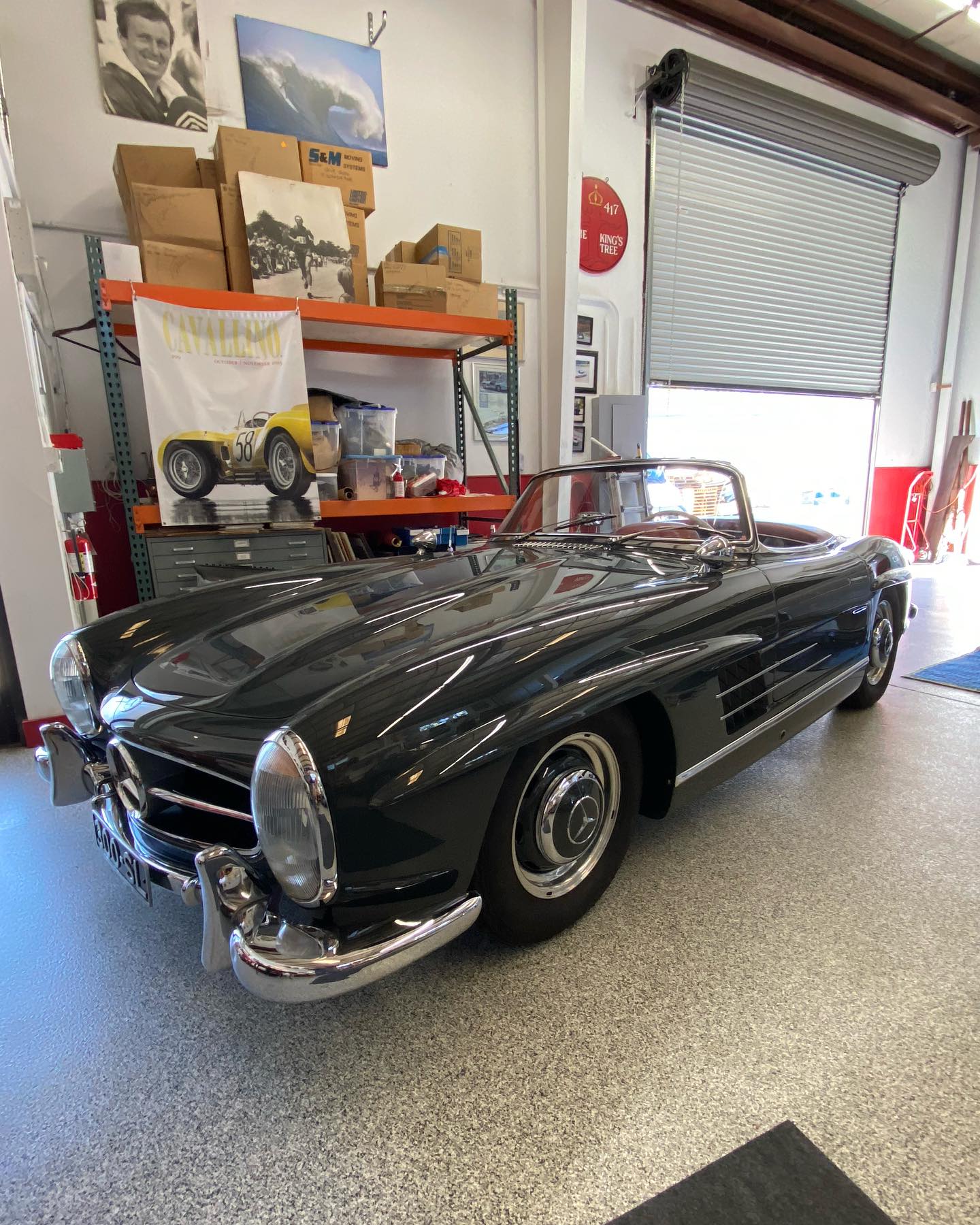
Goleta commuters tend to eat in the car more, at least from what we see. Food oils sink fast. Act quickly, blot, never rub, and use warm cleaner with tamping. Later, consider a fabric protectant to buy yourself time next spill. The best interior detailing routine is the one you can keep up with. A weekly 10-minute dust and vacuum beats a quarterly deep clean.
Why Glass And Lighting Make Or Break the Final Impression
Interior excellence shows at night. If the gauge cluster lens is hazed, the infotainment screen streaked, and the dome light lens dusty, the cabin feels old. Clean your light lenses with plastic-safe cleaner and a gentle towel. For infotainment screens, avoid ammonia and high-pressure wipes. A spritz on the towel, never directly on the screen, and light pressure does the job. When everything else is spotless, a single foggy lens distracts the eye and cheapens the result.
We learned this the hard way prepping a car for delivery after a full Car detailing service. The buyer stepped in at dusk. He loved the leather, said the dash looked factory, then tapped the smudged screen. One missed detail cut through an hour of careful work. Now we clean screens last, with fresh towels reserved for that step only.
Hugo's Auto Detailing: Practical Touches That Clients Notice
The crew at Hugo's Auto Detailing likes quiet details that do not shout. Floor mat alignment matters. Seat belt fabric wiped clean, buckles not sticky. Sun visors free of makeup transfer. The rubber seals around the center console dusted, not shining. When we manage fleets for clients who shuttle between Car detailing Montecito addresses and work in Goleta, these touches reduce complaints and extend the time between service calls. On longer jobs that include Exterior detailing and sometimes Boat detailing service for the same household, consistency across vehicles and watercraft becomes the calling card. Interiors that feel neutral, not perfumed or greasy, are the ones people trust.
Keep Tools Clean And Dedicated
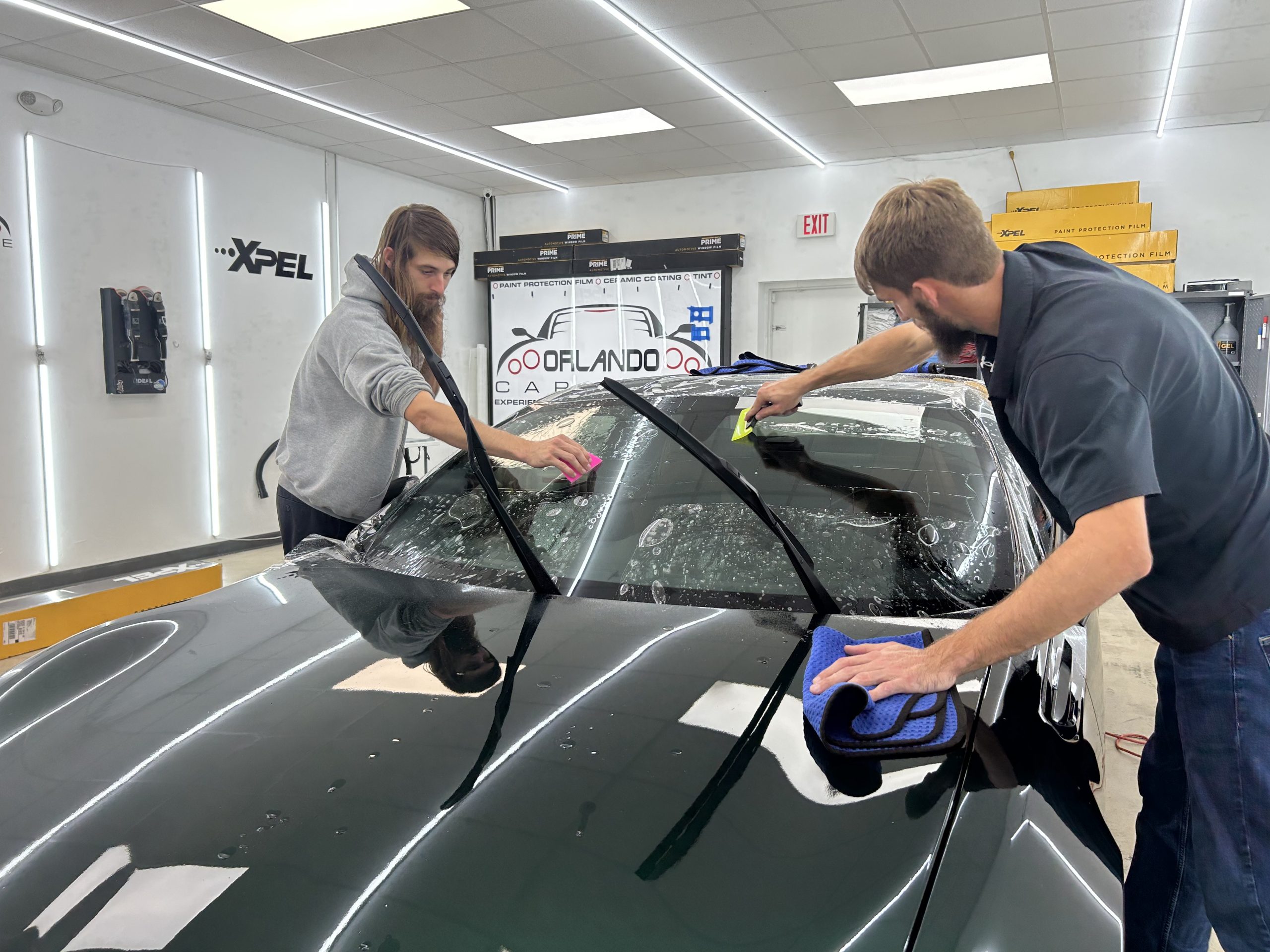
Cross-contamination destroys interiors. Dedicate towels by zone. Glass towels should never touch plastics, and leather towels should not see greasy door jambs. Color-code if it helps. Wash towels separately by type and soil level, and retire anything that feels stiff. For brushes, rinse them after each job and spin them dry. A dirty brush re-deposits grime into textured plastics where it is hard to remove. If you detail after a beach day, wash your vacuum attachments too. A grain of sand caught in a crevice tool can carve a scratch down a glossy panel in one pass.
It is the same philosophy used in Marine detailing. Salt and sand live in tools if you let them. Rinse, dry, and store with airflow. These habits add a few minutes but save hours of correction later.
The Small Upgrades That Raise Your Baseline
You do not need a closet full of boutique chemicals to get a like-new cabin. A few intelligent upgrades make the biggest difference. Add a compressed air puffer or a small cordless blower to lift debris from seams before vacuuming. Keep a headlamp in your pocket so you can see swirls on piano-black and crumbs under rails without craning your neck. Use kneeling pads to reduce fatigue, because the moment you rush is the moment you miss the sticky patch on the wheel. For owners in Car detailing Carpinteria circles who DIY between professional visits, these small tools close most of the gap.
If your car spends weekends near the boat ramp, consider all-weather mats with a raised edge. They trap sand and water and make weekly cleanup trivial. Pair that with a gentle, matte interior protectant with UV defense, and you have the basic armor for life near the coast.
When The Exterior Sets Expectations For The Interior
After a sharp Exterior detailing or a proper Paint correction, the eye becomes pickier inside. Swirls on the B-pillar piano-black stand out, and glossy, greasy dash shines look wrong next to a perfectly leveled clear coat. If your vehicle has just been corrected, bring the interior to the same standard: matte finishes, tight, even carpet pile, and crystal glass. If you are scheduling both, do the interior first, then the exterior. That way, any dust you knock loose will get washed away. Mobile teams often co-locate services in Car detailing Hope Ranch and Car detailing Summerland neighborhoods, so coordination matters. A short conversation between teams keeps footprints off freshly cleaned mats and finger smudges off just-polished door trims.
A Realistic Maintenance Cadence
The best interiors are not the ones that get a heroic rescue once a year. They are the ones that get 10 minutes weekly and an hour monthly. Weekly, knock out a quick dust, touchpoints, and a fast vacuum. Monthly, pull mats, clean glass, and refresh plastics with a light protectant. Quarterly, tackle seats, carpets, and vents. If you spill something major or bring sand on board, reset sooner. Owners who follow this cadence report that passengers comment on how “new” the car feels, even when the odometer rolls past six figures.
If your life includes time on the water, keep a similar cadence for the boat. Marine cabins do best when you let them dry thoroughly after a trip, wipe touchpoints, and reserve heavy products for seasonal cleanups. The less film you lay down, the less grit sticks to it.
The Top 10, Condensed
- Dust dry, then vacuum in layers Test fabrics, tamp stains, avoid overwetting Clean leather gently, condition lightly, preserve matte Aim for low-sheen plastics, protect from UV without glare Use two-towel glass technique, finish windshield last Clean vents and touchpoints twice, not once Apply fabric protection after full dry, not before Neutralize odors at the source, ventilate thoroughly Escalate to steam or extraction only when needed Follow a smart sequence to avoid rework
These are simple rules, but they compound. Follow them and your interior will feel fresh longer, maintenance will take less time, and your detailing investment will show every time you open the door.
Final Thought From The Bay To The Boulevard
Whether you’re navigating a sandy parking lot in Carpinteria, heading up the 101 from Goleta, or splitting time between a car and a skiff that sees regular Marine detailing, interiors reward care and restraint. The goal is a cabin that looks factory, smells neutral, and feels clean to the touch. Most of that comes from dust control, proper chemistry, and a sequence that keeps you from chasing your tail. If you adopt even half these habits, you will notice the change the next time the sun cuts across the dash at golden hour. And if you ever compare notes with a pro team like Hugo's Auto Detailing, you will find the same fundamentals at the core, scaled up with systems and consistency rather than gimmicks.