Coastal sun looks harmless until you park for a week by the water and find salt haze on every glass surface, a chalky film on the paint, and tiny orange freckles forming on chrome. Wind pushes sand into seams you did not know existed. Even freshwater rinses can leave mineral rings that burn into clear coat after an afternoon of UV. Exterior detailing near the coast is its own craft, and a good checklist reflects that reality. This guide folds in what works on daily drivers parked in Carpinteria and Summerland, and what carries over to boats sitting in slips from Santa Barbara to Goleta. It is meticulous by design, because the ocean is relentless.
Why coastal vehicles need a different approach
Salt is hygroscopic. It pulls moisture from the air and keeps panels damp longer than you think. That thin wet film accelerates oxidation on paint and trim, and it feeds corrosion in fasteners, brake components, and undercarriage hardware. Pair that with UV that cooks oils out of plastics and rubbers, and you get rapid aging if you treat a coastal wash like an inland wash. Add surfer wax, tar, bird fallout, and sap, and you have a layered https://spencerbdob317.iamarrows.com/exterior-detailing-after-road-trips-decontamination-checklist-1 mess that resists quick fixes. The goal is not just a shine, it is slowing down the chemistry that wants to eat your investment.
I have seen two identical cars, same model year and mileage, take radically different paths after two years living five miles apart. The inland one needed a mild polish to revive gloss. The beachfront one needed paint correction on every horizontal panel and a headlight refinish, plus a round of rust arrest on exposed bolts. The difference was windborne salt and neglected rinses after beach days.
The coastal exterior detailing flow, step by step
A thorough process helps you see problems early, before they become repairs. Here is the sequence that reliably prevents damage while building durable protection.
Pre-rinse and dislodge. If the car has a visible salt film or sand, start with a low to medium pressure pre-rinse from top to bottom. Think flood rinse, not blasting. Knock loose grit without driving it into the clear coat. On boats, this first step matters even more, especially around rub rails and non-skid.
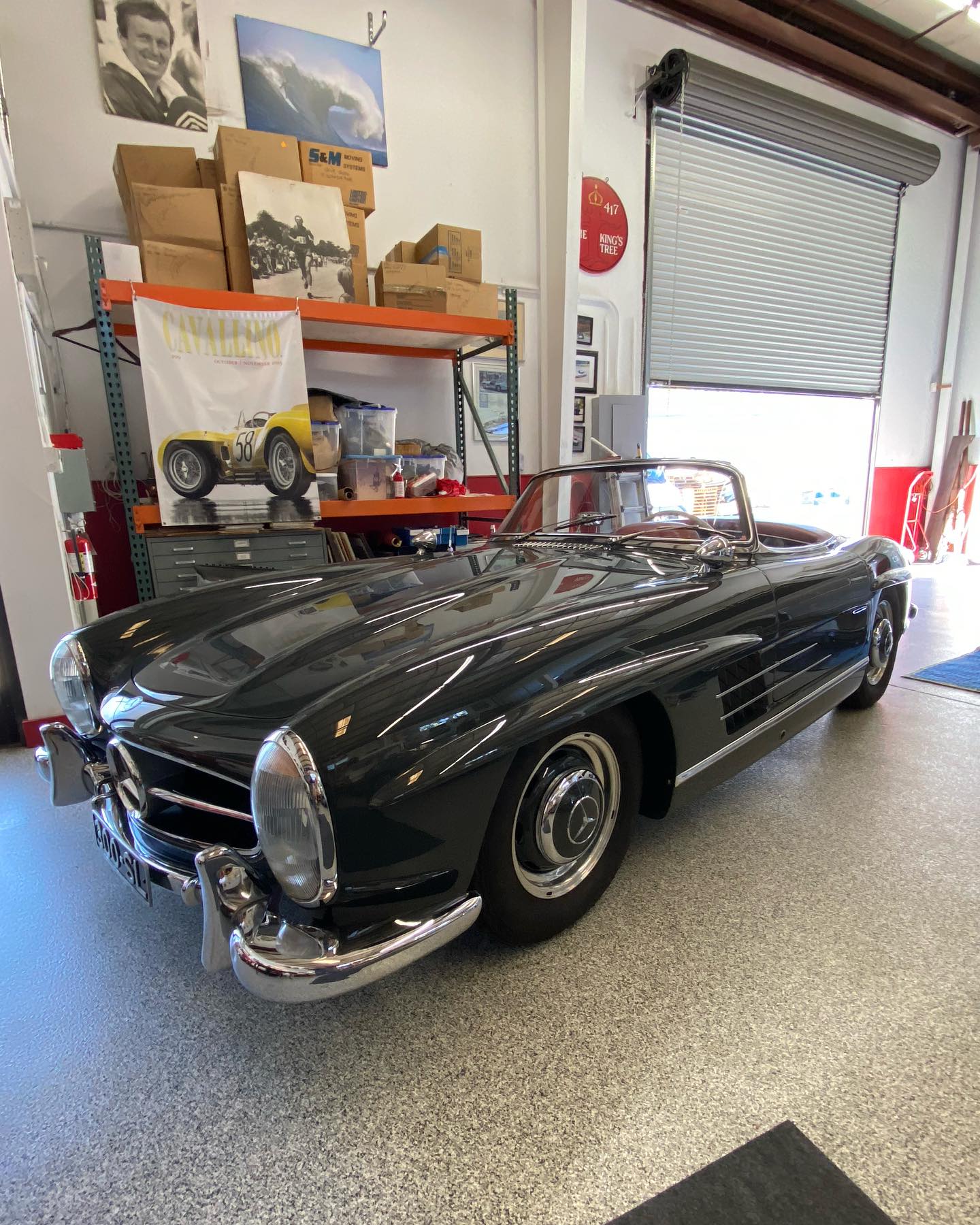
Degrease and decontaminate safely. A citrus pre-wash on rocker panels, lower doors, and the tailgate removes road film. For marine detailing on gelcoat, use a pH-balanced boat soap that will not strip protective layers. On cars, foam the body, let it dwell for a minute or two, agitate high-touch areas like badges and emblems with a soft brush, then rinse again.
Contact wash with two buckets. Even with good pre-wash, coastal grit hides in seams. Use a clean wash mitt, frequent rinses in a dedicated rinse bucket, and avoid circular scrubbing that can trap grains and create swirl marks. A gentle straight-line motion lifts debris with minimal marring. For boats, break the hull and topside into zones so the soap does not dry under the sun.
Targeted chemical decon. Iron fallout removers are not just for track cars. Salt-laden breezes carry metallic particulates. Watch for the typical purple bleed indicating active contamination. Rinse thoroughly. If the paint feels rough after that, use a fine clay bar or synthetic clay mitt with plenty of lubricant. On gelcoat, be conservative with clay around decals and painted graphics.
Dry without minerals. Use deionized water if you can, or at least a blower to push water out from mirrors and trim. Follow with plush drying towels. If your city water is hard, even a quick-blot approach prevents mineral spotting near the coast, where evaporation happens fast.
Inspection under neutral light. This is when you catch the halo of water spots etched into clear coat, oxidation on gelcoat, early rust on hardware, and failing sealant. I like a 5000K light aimed low across the panel to reveal swirls and raised contaminants. Note areas for paint correction or spot polishing later.
Paint correction as needed. Do not jump to aggressive compounds. Coated vehicles and thin clear coats do not forgive heavy-handed cutting. Start with a finishing polish and a polish-only pad on a small test area. Only escalate if the defects do not clear. On boats, gelcoat often needs more bite than automotive clear, but heat management matters. Keep passes short, clean pads often, and measure the surface temperature with a touch or an IR thermometer if you have one.
Protect with the right chemistry. At the coast, protection is not optional. For cars, a silica spray sealant buys you months, while a pro-grade ceramic coating buys a couple of years of easier maintenance if applied correctly. On boats, a marine ceramic coating or polymer sealant sheds salt and oxidizers more effectively than wax. Either way, respect manufacturer prep steps: panel wipe, oil removal, controlled humidity, and cure time. Shortcuts show up the first time a salt mist dries on the surface.
Trim, rubber, and brightwork deserve their own attention. UV protectants that do not leave a greasy film keep plastics from chalking. On stainless and chrome, use a dedicated metal polish, then seal with a coating or polymer. For rubber seals, a water-based conditioner maintains elasticity without attracting dirt.
Glass is not an afterthought. Salt film on glass reduces visibility and creates wiper chatter. Use a glass polish if you feel drag or see ghosting after cleaning. A hydrophobic glass coating repels spray on both cars and boats and reduces salt adhesion.
Tires and wheel protection. Brake dust and salt make a corrosive mix, especially around Goleta and Montecito where short trips mean cool rotors and more standing moisture. Clean barrels and faces thoroughly, then apply a wheel sealant or ceramic. Dress tires with a water-based product that dries to the touch so it does not attract sand.
Undercarriage rinse and protect. Coastal detailing ignores the underbody at its peril. Even a simple freshwater rinse after beach parking reduces corrosion risk. If you can, apply a corrosion inhibitor to exposed metal, steering components, and brackets. On trucks and SUVs that see beach launches, a seasonal inspection for early rust spots pays off.
Hugo's Auto Detailing on what the coast does to finishes
Hugo's Auto Detailing sees vehicles from Carpinteria, Montecito, and Hope Ranch that live their lives within sight of the water. The recurring pattern is that the top surfaces go first. Roofs and hoods pick up water spot etching and matte patches where waxes have long evaporated. One client’s black coupe in Summerland looked fine from ten feet, but under shop lighting the roof had tight spider webbing and faint white rings. A mild polish cleared most of it, but the lesson was simple, the owner washed often, yet rinsed midday and left the car to dry in the sun. Even fresh water can etch when minerals get cooked into the clear.
In another case, a white SUV kept in Goleta had rail dust and iron fallout bonded into the tailgate lip and around the rear wiper. The driver thought it was sap. An iron remover told the truth in seconds. That car left with a mid-term sealant and a scheduled spray-seal refresh every eight weeks. After a year, those same edges still beaded and cleaned easily. The process is not magic, it is maintenance on a schedule that matches the environment.
Coastal-specific supplies that earn their keep
Detailing near the ocean does not require a different garage full of products, but certain selections make life easier and results more predictable. A pH-balanced shampoo that is strong enough for salt but gentle on coatings. A fallout remover that is safe on clear coat and gelcoat. A fine grade clay that does not mar soft paint. A hydrophobic glass coating that holds up past a few rainy weeks. And if you run a hose outside, a simple in-line DI filter cuts water spotting dramatically, particularly on warmer days.
Microfiber matters. Salt crystals are small and sharp. Fluffy, high GSM towels trap debris away from the surface better than thin ones. Dedicated towels for wheels and lower panels prevent cross-contamination that grinds grit into paint. Replace towels frequently. A five dollar towel that turns into a scouring pad is an expensive mistake.
Boat detailing service meets automotive discipline
A boat detailing service borrows the same discipline found in exterior detailing for cars, then adapts it to gelcoat and non-skid realities. Gelcoat oxidizes rather than swirling, so you see a dull, chalky fade rather than scratches. Compounding restores gloss, but heat and pad cleanliness control are critical. Non-skid benefits from an alkaline cleaner that loosens grime without slick residue. Rails, cleats, and fittings need metal polish followed by a sealant that resists salt creep.
Ceramic coatings tailored for marine use handle submersion and constant spray better than standard automotive products. If you are considering boat ceramic coating, plan for proper surface prep: wash, decon, oxidation removal, solvent wipe, and a controlled cure window. Expect meaningful results, less time scrubbing salt film and a hull that sheds growth more readily between cleanings. The cost and time investment make sense on boats that live in the water or see weekly use.
On the crossover side, vehicles used to tow boats pick up a lot of dock dust and brackish splash along the rear and undercarriage. A quick freshwater flush after launching or retrieval prevents the white crust you see blooming on hitches and wiring harnesses.
The coastal protection ladder
Protection is not a binary choice. It is a ladder. The more time you spend by the water, the higher you should climb.
At the base, you have a spray sealant applied after a wash. It lasts weeks to a couple of months and is easy to top up. One step up is a polymer sealant or hybrid ceramic sealant that can push three to six months, sometimes longer with gentle chemistry. At the top is a full ceramic coating applied over decontaminated, polished paint. Done right, a coating will deliver one to three years of solid performance in a coastal climate, though the upper end requires maintenance washes with mild soaps, periodic topper products, and smart parking habits.
For boats, the ladder looks similar, but the bottom rungs evaporate faster under constant salt. A marine coating can keep a hull crisp through a season with less elbow grease, while a simple wax might fade in weeks of daily use.
Maintenance that actually keeps salt off
Washing weekly near the shore is not obsessive, it is practical. If that is not possible, at least rinse after beach days or fog-heavy mornings. Fog is salt delivery in slow motion. If you notice a sticky sheen on glass, that is your signal.
Avoid midday washes that leave standing water to dry hot on the panel. Either wash early, wash late, or use DI water for the final rinse. Keep a small spray sealant in the trunk. After a thorough wash and dry, a light mist on panels restores slickness and makes the next wash easier.
Interior detailing plays a role, too. Sand moves from shoes to door sills to paint. Rubber mats, frequent vacuuming of door jambs, and a quick wipe of seals keep grit from working outward.
What paint correction means at the beach
Paint correction is not a permanent fix for an environment that keeps adding defects. It is a reset. On coastal cars, I plan for more frequent, lighter corrections rather than occasional heavy cuts. Clear coat thickness does not grow back. A single stage polish on horizontal surfaces twice a year, paired with a gentle approach on vertical panels, keeps gloss alive without needless removal of clear.
Hugo's Auto Detailing has corrected enough coastal vehicles to embrace restraint. A Hope Ranch client with a deep blue SUV wanted a mirror finish before a family event. Under inspection, the hood had water spot etching that would not budge with a finishing polish. Rather than chase 100 percent correction, we solved 80 percent with a medium polish and pad, then protected and taught a better wash routine with a rinseless wash for midweek touch-ups. The remaining faint etch marks were invisible at normal viewing angles, and the clear coat margin stayed healthy for future work.
Regional realities: Carpinteria to Goleta
Car detailing Carpinteria often means tar and beach parking fallout, while car detailing Montecito sees more canopy drip and bird fallout under shade trees. Car detailing Goleta runs into morning marine layer and evening wind that deposits grit, plus more campus-area construction dust. In Hope Ranch, coastal fog, ornamental tree sap, and quiet roads keep cars cleaner, yet the salt mother’s milk is still in the air. Car detailing Summerland picks up nearly constant breeze and tight parking along the bluffs. The point is that routines should match microclimates. A single checklist works everywhere, but frequency and product choices adjust to conditions.
If you keep a boat and a car, synchronize the maintenance. Do a light car wash after a day at the harbor. Wipe down the boat before dry storage, and treat the car’s rear end like it just pulled duty at the dock, because it did.
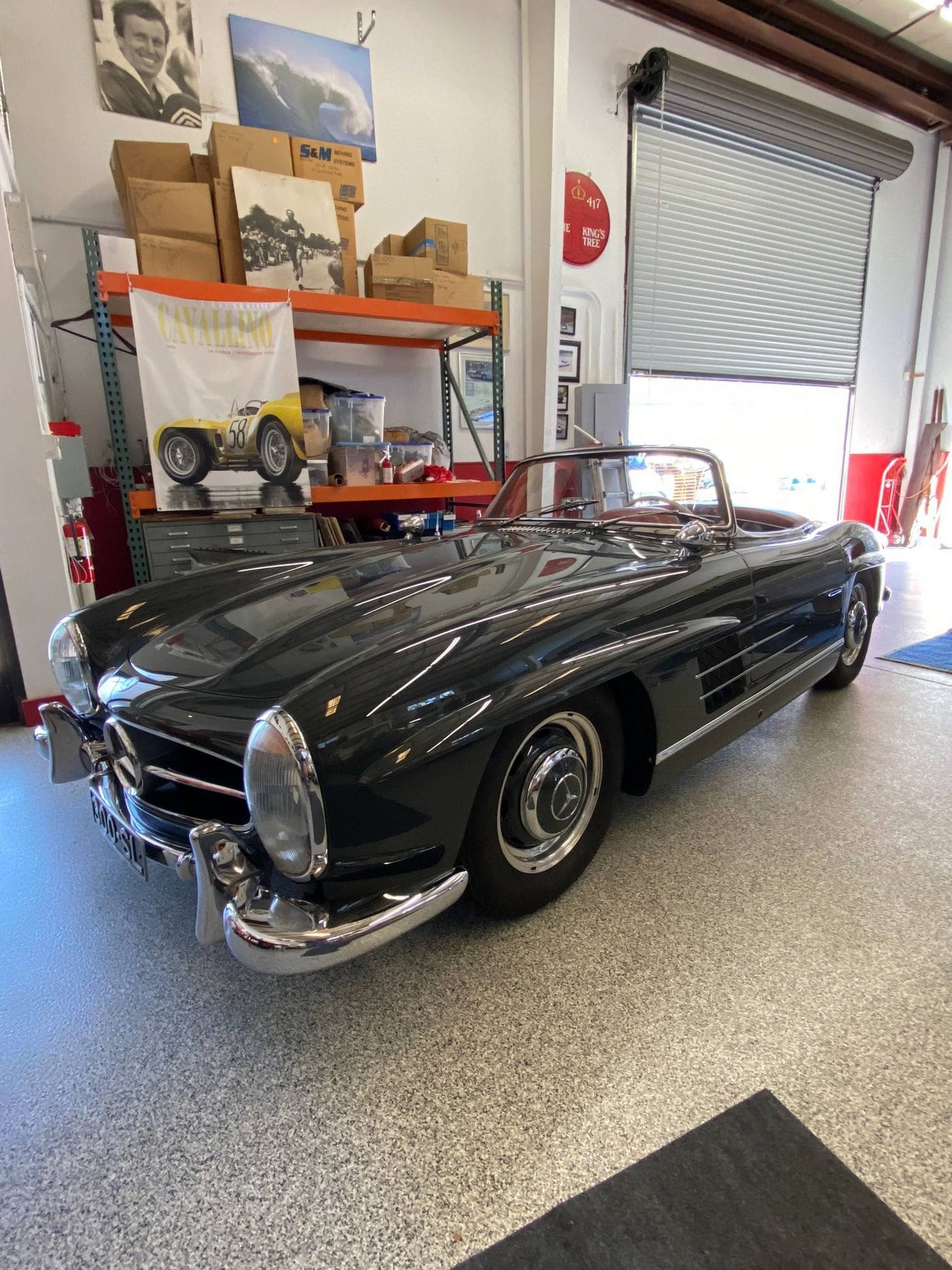
Hugo's Auto Detailing techniques worth adopting at home
Hugo's Auto Detailing crews build small efficiencies that anyone can borrow. Foam first, but do not let foam become a crutch. Its job is to encapsulate dirt and extend dwell, not to replace physical agitation where needed. Keep a set of boar’s hair brushes for badges, trim, and fuel doors. Work glass last, not first, so you do not chase streaks caused by overspray. Label your towels by task, wheels versus paint, and retire them early if they touch the ground.
For marine detailing, use painter’s tape on edges of decals and around oxidized sections when compounding. Gelcoat dust gets everywhere, so protect sensitive areas and clean pads frequently. On cars and boats alike, avoid dressing products that leave glossy residue near any surface you might step on or grip. A clean, satin finish signals care without creating slip hazards.
A practical coastal wash kit
A compact kit can live in a garage and handle weekly upkeep without the bulk of a pro van. It includes a pH-neutral shampoo, a pump sprayer for pre-wash, a fine clay mitt, an iron remover, a silica spray sealant, a glass cleaner plus a hydrophobic topper, a water-based tire dressing, and a pair of plush drying towels. If you can add a small DI setup or spot-free rinse tank, do it. Your glass and black paint will thank you.
The last piece is a handheld blower. Even a modest unit clears water from mirrors, emblems, fuel doors, and wheel nuts. The difference between a clean car and a car that looks freshly detailed often lives in those tight spots that otherwise spit water and leave trails.
The two-minute post-beach routine
You can spare your finish a lot of grief with a short ritual after a beach day. Park in shade. Give the car a gentle rinse from the roof down, then blast out the mirror caps, grille, and rear badge area with a blower. Open doors and wipe jambs before sand migrates. If you see a salt haze on glass, clean it right then. Delay invites etching.
When to consider professional help
DIY routines keep coastal grime in check, but some scenarios benefit from an experienced hand. If you can see white rings baked into the hood or roof under direct sun, you are past what quick detailers can fix. If your trim is chalking or your boat’s topside looks dull despite frequent washes, oxidation removal is due. If you want to move up the protection ladder into a long-term ceramic, surface prep and controlled curing are the make-or-break steps where training matters.
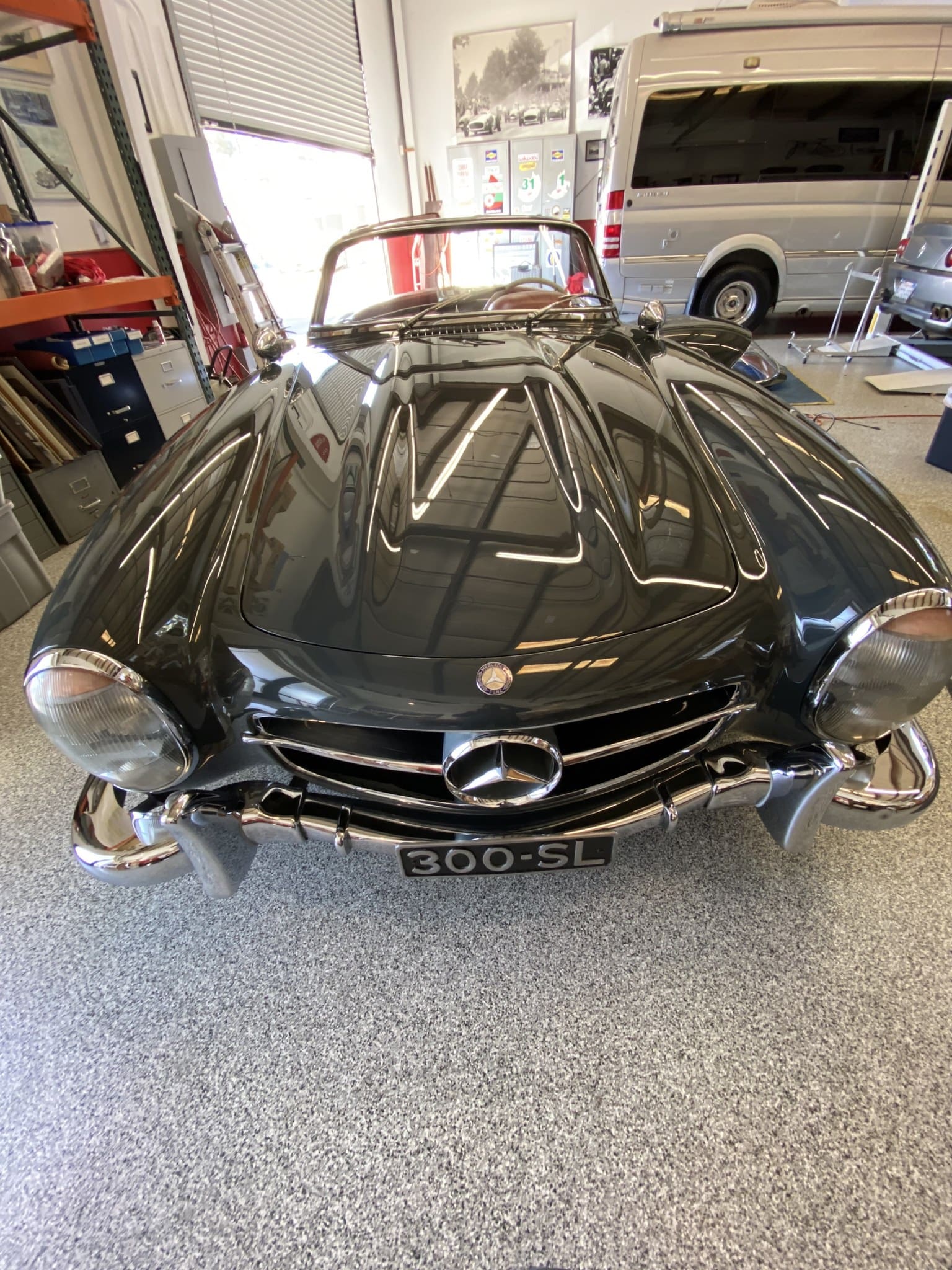
For those in Carpinteria, Montecito, and surrounding neighborhoods, a local car detailing service that knows the wind patterns and water quality will tailor the process, not just the products. You want someone who talks about decon and cure windows, not just gloss.
A short, real checklist you can follow
- Rinse thoroughly from top to bottom to remove salt and sand. Pre-wash with a citrus or pH-balanced foam, agitate tight areas with soft brushes, then rinse. Contact wash using two buckets and straight-line motions, then rinse. Decontaminate with iron remover and fine clay if needed, then rinse again. Dry with a blower and plush towels, inspect, then protect with a spray sealant or coating.
This sequence, done regularly, keeps paint correction light and infrequent. It also preserves trim and seals by keeping contaminants from nesting in edges and seams.
Keeping perspective: perfection versus preservation
Perfection has a short half-life by the water. Preservation is the real goal. You can chase every micro-mar, but the next windy afternoon on the 101 will put faint marks back in place. If you pick a sensible routine, use the right chemistry, and protect surfaces thoughtfully, your car or boat will hold a deep, even gloss that survives daily use. The right rhythm beats occasional heroics every time.
Ceramic coatings are not force fields. They are sacrificial layers that make cleanup easier and slow down damage. Sealants are not outdated, they are practical and flexible, especially for those who like to refresh protection often. Boat ceramic coating does not eliminate wash days, it shortens them and reduces abrasion needed to remove salt. And interior detailing is not merely cosmetic in a coastal setting, it keeps sand and moisture from migrating into hinges and latches that then grind or corrode.
When I think back on the cleanest coastal vehicles we see, they share habits, not secrets. They get rinsed when salty. They dry without minerals. They get protected before the season, not after it. The owners keep a small kit, work in the shade, and avoid harsh chemicals that promise miracles. They know that exterior detailing at the coast is a marathon with a few well-timed sprints.
If you adopt even half of this checklist, you will feel it in the way the wash mitt glides and in the time you save on stubborn water spots. Whether you are scheduling a car detailing service for a workhorse sedan or calling in a boat detailing service ahead of summer, the fundamentals do not change. Respect the environment, resist shortcuts that leave residue or strip protection, and revisit protection before it expires. The ocean will keep doing its job. Do yours just a bit more often, and your paint, gelcoat, and brightwork will reward you with a richer, longer-lasting shine.