The south-facing arc of the Santa Barbara coast looks gentle from a distance, but it is a harsh teacher for paint, gelcoat, leather, and brightwork. Salt mist hangs in the air most mornings. Midday UV runs hot even in the off season. Add grit from coastal winds and the odd eucalyptus sap in Summerland and Montecito, and you have a steady cycle of micro‑abrasion and chemical attack that never really pauses. A car or boat can look fine in July and feel chalky by October. Owners who live along Padaro, Ortega Hill, or down toward Carpinteria learn to treat detailing as preventative maintenance, not cosmetic indulgence.
What follows is a practical view of how to keep vehicles and boats in shape here. It blends product chemistry with fieldwork realities, the kind you only see after polishing the same hood every quarter or pulling oxidation out of a skiff’s non‑skid for the third season running. Whether you rely on a car detailing service a few times a year or do most washdowns yourself, the principles stay consistent: slow the salt, block the sun, and keep surfaces clean enough that you never need to be aggressive.
The coastal problem, piece by piece
Salt is hygroscopic. It attracts moisture from the air, so salt residue on paint or gelcoat creates tiny wet zones that encourage corrosion on exposed metal and accelerate oxidation on surrounding surfaces. UV breaks down clear coat resins and dries out plastics and leather. Grit works like a mild abrasive. The three together shorten the interval between new and tired.
On cars, the most obvious sign is the loss of clarity in the clear coat. In early stages it shows up as a dullness that resists normal washing. Later, you see micro‑marring in ring patterns where the owner once used a circular wash sponge. On boats, especially those that sit in Summerland’s exposed moorings or trailer back and forth to Goleta, UV and salt etch the gelcoat. White chalking on the topsides, brownish drip lines at the scuppers, and seized snaps on canvas, all arrive faster than inland owners expect.
Wash technique that works for salt and sun
A proper wash is not about force, it is about float. You want surfactants that lift contaminants, lots of water to carry them away, and tools that do not grind grit into the surface. The mistake I see repeatedly is high‑pH cleaners used too often, or quick once‑overs with stiff brushes. Both save time in the moment and cost gloss over the season.
For cars and trucks parked in Summerland, a gentle pH‑neutral shampoo with strong lubrication is the weekly baseline during dry months. Rinse heavily first to carry off loose grit, then two buckets, soft mitt, and free‑rinsing technique. In saltier weeks, add an oxalic acid pre‑treat for glass and metal only if you see mineral spotting that won’t budge with standard wash. Dry with clean, high‑GSM towels, blotting rather than wiping where possible. Blowers help around trim and mirrors, and reduce towel contact by half.
Marine detailing needs different washdown chemistry. On gelcoat and non‑skid, use a marine wash that leaves nothing behind, paired with soft or medium brushes. Avoid strong degreasers on vinyl seats, which harden stitching and pull oils out of the material. Rinse until the water sheets clean, then do a second pass on fittings, hinges, and latches with fresh water. If you hear squeaking as you dry, you likely stripped wax in the process, which is fine if that was the plan, not fine if you just shortened your protection interval by accident.
Exterior detailing priorities for coastal vehicles
Protection buys time. That is the basic arithmetic of exterior detailing in Summerland, Carpinteria, Montecito, Hope Ranch, and Goleta. If the vehicle lives outside, the budget goes first to wash discipline and a topcoat that resists UV and salt. If it lives indoors, invest more in paint correction and trim rejuvenation, then use milder maintenance steps.
For daily drivers, a modern sealant or entry ceramic spray updated monthly is a practical compromise. It creates slickness that reduces how strongly salt and grime stick, which in turn means fewer wash passes and less chance of marring. For darker paints, where marring and water spots show first, consider a pro‑level ceramic. Properly installed, a good coating will shrug off light spotting and maintain gloss even after a week of marine layer moisture. None of this replaces good washing, but it makes each wash safer.
Paint correction near the coast is best approached conservatively. Clear coat is finite, and I have yet to see a Summerland commute that stops producing micro defects. On a three‑ to five‑year‑old car with medium swirls, a single‑stage polish with diminishing abrasives on a dual‑action polisher can recover 60 to 80 percent of clarity without deep cutting. Reserve compound‑level correction for isolated defects or special cases. Owners often ask for “perfect” paint, but perfection lasts about two weeks in onshore winds. A corrected and coated finish, maintained with sound wash process, looks stunning and holds up.
Interior detailing that survives salt air
Interiors near the beach suffer more from humidity cycles than from dirt alone. Leather dries faster on sunny days then reabsorbs moisture at night, which stresses finish coatings. Sand grinds into seat tracks and cupholders. Airborne salt creeps into window switches and stitching. The routine you want is gentle cleaning with regular conditioning on surfaces that need it, and restraint on those that don’t.
For leather, I prefer mild cleaners with non‑greasy conditioners, applied quarterly for garage‑kept cars and every other month for vehicles parked outdoors. The goal is suppleness and UV resistance, not shine. Steering wheels need a different approach, as over‑conditioned wheels become slick. Use a dedicated matte cleaner and leave them dry.
Fabric seats and carpet in coastal towns hide salt crystals. A pass with a shop light will show white bloom after a beach day. Extract with fresh water and a low‑residue cleaner so you do not lock in stiffness. For weather mats, remove, rinse heavily, and treat with a light APC dilution rather than harsh degreasers that bleach embossing.
Glass deserves more attention here than inland. The marine layer leaves a film that standard glass cleaner often smears. A two‑towel method with a trace of isopropyl alcohol in the mix cuts through the film and keeps night driving clear.
Marine detailing realities: cleaning the ocean’s fingerprints
Boats laugh at car products. Gelcoat is harder and more porous than automotive clear coat, non‑skid wants friction, and stainless brightwork punishes neglect. Marine detailing has its own pace, and it starts with managing salt from the first rinse after use.
A solid routine: freshwater rinse at the dock, then a pH‑balanced wash with a soft brush for topsides and a medium brush for non‑skid. Spot treat waterline scum with a mild acid cleaner used sparingly, keeping it off sensitive metals. Drying is not optional. Salt crystals left after air drying etch the surface and dull polished metal. On open boats, I like to blow out hinges and chase water along rub rails with a towel looped over a finger. It reads fussy until you see how much grime hides in those seams.
Brightwork wants a protectant after every deep clean. If you wait for tea‑staining to appear, you have already doubled your work. Canvas, zippers, and snaps need a rinse and a shot of corrosion inhibitor on the hardware. Mildew, the quiet villain of marine interiors, responds to ventilation and early intervention. Enzyme cleaners preserve stitching where bleach does not.
Boat ceramic coating: where it shines and where it doesn’t
Boat ceramic coating promises a lot, and along our coastline it largely delivers if you match the product to the use case and apply it correctly. On gelcoat, a ceramic layer reduces oxidation rate, makes washdowns faster, and keeps the surface glossy longer. On smooth, colored hull sides, the difference after a season is stark. Uncoated surfaces feel dry and chalky, coated ones still feel slick.
There are trade‑offs. Non‑skid coatings help with cleanup but cannot make non‑skid feel like glass without creating a slip hazard. On high‑traffic decks, I prefer purpose‑built non‑skid ceramics that preserve traction, not general coatings. Metals can be coated, but I usually protect stainless with polishes and sealants that tolerate flex and heat better.
Application is not a weekend experiment on a sun‑baked driveway. Gelcoat correction before coating is slower than paint correction because you are cutting oxidation that lives in the upper layer, not just polishing out scratches. Surface temps in Summerland can jump from 65 to 90 degrees within an hour as fog burns off, and that swings flash times. Good lighting, patient panel prep with solvent wipe downs, and realistic cure windows matter. Once installed, maintenance is straightforward: pH‑neutral washes, avoid harsh acids, refresh with compatible toppers a few times per season.
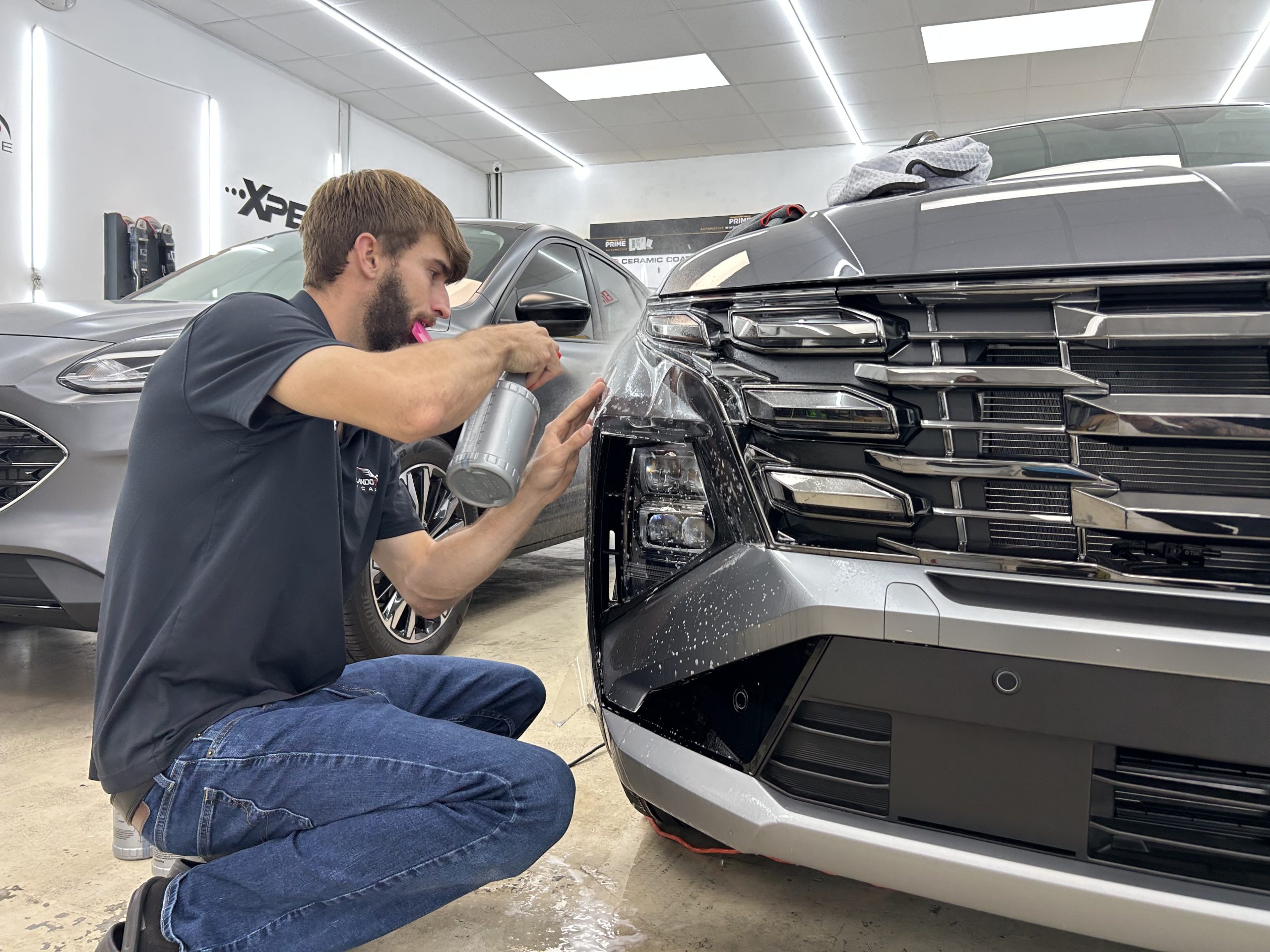
Where Hugo's Auto Detailing fits in coastal care
On a typical week, Hugo's Auto Detailing sees both sides of this coastline equation. Early mornings might start with a truck in Car detailing Summerland trim, paint dull from months of beachfront parking along Lillie Avenue, followed by a run to a small center console for Marine detailing before the wind picks up. The workflow adapts to the microclimate. If the marine layer sticks, we shift to interior detailing and engine bay work. If it clears, we move to exterior detailing and paint correction with controlled shade and cool panels. That rhythm is born from the coast itself.
One lesson that repeats: owners who invest modestly but consistently get better results than those who swing from heavy restorations to long gaps. We keep simple logs for regulars in Car detailing Carpinteria and Car detailing Montecito service areas, noting which shampoos, pads, and protectants each vehicle responds to. Over time, that continuity reduces the need for aggressive correction, which preserves clear coat and keeps gloss high. It is not magic, it is discipline applied to messy real life.
The quiet killers: wind, water spots, and eucalyptuses
If you park within a mile of the water, wind carries micro grit onto horizontal surfaces. It is tiny but hard enough to scratch. The way to live with it is to rinse before touching, even if you plan a quick detailer wipe. And dial back on the pressure washer. A fan tip at a safe distance is fine, a pencil jet is a carve tool. You can tell when a car has been “cleaned” with too much pressure by the frayed edges on emblems and anodized trim that turns hazy.
Water spots here often include minerals and salt. If spots are fresh, a damp towel and car shampoo solution will usually lift them. If they have baked a day or two, use a dedicated water spot remover followed by a rinse and a light topper. Avoid vinegar as your mainstay. It cuts minerals but can dull delicate surfaces and degrade protection. For glass that faces sunrise or sunset, which is where spotting bakes hardest, consider a light SiO2 glass coating to buy yourself cleaning margin.
Eucalyptus drips can etch clear coat surprisingly fast under strong sun. If you park under trees in Hope Ranch or near Toro Canyon, inspect panels weekly. Tar and sap removers work, but rinse first, then apply gently and neutralize the area with a wash. Left alone, these spots https://www.tumblr.com/timelessscourgeshard/806848088357650433/car-detailing-montecito-prestige-detailing-for turn into stubborn stains that require compound.
Frequency and sequencing for coastal owners
The best schedule is the one you can keep. That said, the coast makes a strong case for shorter, lighter intervals instead of heroic quarterly sessions. Cars and trucks that live outside do well with weekly rinses, a proper wash every other week, and a monthly topper. Interiors want a light vacuum and wipe every two weeks, deeper work quarterly. Boats vary by use, but a rinse after every outing, washdowns weekly in season, and protection refreshes at the start and midpoint of the heavy sun stretch hold the line. If you trailer to Car detailing Goleta beaches often, pay extra attention to the trailer itself. Brakes and fasteners show salt first.
Paint correction belongs early in the lifecycle, before protection. Once corrected, protect immediately, then maintain. If you are tight on time, choose washing skill over product complexity. A careful wash with basic sealant beats a sloppy wash followed by expensive chemistry.
Materials and tools that actually help
Gadget creep is real in detailing. You do not need a van full of specialty tools to take care of a coastal vehicle, but a few items punch above their weight.
- A soft‑bristle wheel brush and a low‑pH wheel cleaner safe for coated wheels, because brake dust mixed with salt is corrosive. High‑GSM drying towels and a small blower to reduce towel contact on sandy days. A gentle APC diluted properly for door jambs, engine bays, and boat lockers, where salt films hide. Non‑acid metal polish for stainless and aluminum, followed by a protectant that is easy to reapply. UV‑resistant dressings with a dry finish for exterior plastics and boat vinyl, so surfaces stay rich without becoming sticky.
Keep these clean and dedicated. Cross‑contamination, like using a wheel towel on paint, injects grit into the wrong place and undoes good technique.
When ceramic is worth it on cars, and when it isn’t
Ceramic coatings on cars along this coast can be a smart spend, especially for black, blue, or red paints that show damage faster. The primary benefit is not just the hydrophobics, it is the way a good coating resists chemical etching and makes safe washing easier. Owners who park outdoors near the water, or who drive before sunrise when the air is cool and salty, see the win quickly.
But ceramics are not a cure‑all. If you dislike washing or rarely have time, a ceramic can turn neglected grime into bonded grime that still needs careful removal. If you run through automatic brushes, you will mar a coating just as fast as you would mar wax. For those cases, a durable sealant with quarterly reapplications and careful hand washing is often the better plan. The decision is practical, not ideological.
A case from Summerland: two cars, one driveway, different outcomes
We maintained two SUVs in the same Summerland driveway for three years. Both parked outdoors, both within line of sight to the surf. One owner stuck to a simple routine: weekly rinses, a pH‑neutral wash every other week, spray sealant monthly, interior vacuum and wipe every other wash. The other waited longer between washes and preferred one big detail every few months. By the end of year one, the regular schedule car measured 10 to 15 percent higher gloss units on average, with fewer etched spots and almost no visible swirls under LED. By year three, the less frequent schedule required a second corrective polish to recover clarity, eating into clear coat that will not grow back. Same climate, same driveway, different discipline.
This is the coastal multiplier effect. Every skipped wash compounds the next one.
Hugo's Auto Detailing on timing, weather, and field adjustments
Schedule in this area follows the fog. Hugo's Auto Detailing books exterior work later in the morning when the marine layer sticks around, moving paint correction into windows where surfaces stabilize around 70 degrees. When Santa Ana winds blow, we avoid outdoor polishing sessions altogether and focus on interiors, engine bays, and coatings in controlled spaces. Salt behaves differently minute to minute, and the plan flexes with it.
A practical detail that matters: we catalog water sources at client locations in Car detailing Hope Ranch and Car detailing Summerland service calls. Hard water makes spotting worse, so we bring filtration when needed and use rinse‑aids sparingly to keep surfaces free of residue. Those small adjustments make repeat visits faster and gentler on the vehicle.
Boat detailing service, from small skiffs to family cruisers
A good Boat detailing service near this coastline commits to access and repeatability. That means early starts to beat afternoon winds and workflows that respect dock neighbors. On trailered boats, we set up wash mats to keep runoff controlled and avoid splashing adjacent vehicles. Gelcoat correction is staged in passes, because the weather changes quickly. Where possible, we plan Boat ceramic coating days around two clear mornings for application and initial cure, with contingency shade if the fog burns too fast.
Owners who fish outside the kelp line often bring back more salt than those who stay inside. You can tell by the pattern on the bow cushions and under the lip of the console. We pre‑treat those zones with a rinse and a mild cleaner before a general wash to avoid dragging salt everywhere. Non‑skid gets a specific brush and cleaner, and we rinse until we see water sheet, not bead with foam, which tells us we are not leaving residue that could turn slick.
Regional notes: Carpinteria, Montecito, Goleta, Hope Ranch, Summerland
The same coast, five slightly different micro habits.
Car detailing Carpinteria often includes tar along the lower panels from construction zones and Highway 101 projects. Sap from the bluffs shows up after windy days. A safe tar remover and post‑treat wash keep protection intact.
Car detailing Montecito frequently means shade parking near oaks and eucalyptuses. Leaf tannins stain quickly after rain. A mild acidic cleaner for glass and a pH‑neutral wash for paint handle the stains without stripping protection.
Car detailing Goleta sometimes involves campus parking or coastal bluffs with longer exposure to fog. Water spot prevention moves up the list, and we plan early washes before the sun bakes spots into the surface.
Car detailing Hope Ranch comes with longer private drives and irrigation overspray. Sprinkler water leaves concentrated minerals. Glass coatings and strict drying protocol pay off here.
Car detailing Summerland is the pure salt story. Wipe door jambs and trunk channels more often than you think. Salt pools in seams, then wicks onto paint when the sun heats the metal.
Troubleshooting common coastal issues
If a coated car suddenly feels grabby during drying, contamination is building. A decontamination wash with iron remover, followed by a light alkaline pre‑wash and thorough rinse, usually restores slickness. Avoid claying unless the surface truly needs it, and use a fine media with heavy lubrication, because clay can mar more than it helps on soft clear coats.
If a boat shows chalking after a long hot spell, resist the urge to go straight to heavy compound across the board. Test a medium polish on a small area. Many late‑stage oxidations respond to patient multiple passes rather than one aggressive cut. Where gelcoat is thin or stressed, heavy compounding only buys a short window of shine and speeds future failure.
If interior plastics go blotchy after a cleaner, you likely used too strong a dilution or left residue. Rinse the area with a damp towel, then apply a water‑based dressing that dries to a natural finish. Heat cycles in parked cars amplify any leftover soaps, which is why residue control matters.
A short, realistic kit for coastal owners
You can keep a practical, small kit in the garage that handles 90 percent of what the coast throws at you.
- pH‑neutral car shampoo with high lubrication and a separate marine wash for boats. Two high‑quality wash mitts, one reserved for upper panels, one for lower, plus two dedicated boat brushes. A few plush drying towels, a compact blower, and a good quick detailer or spray sealant compatible with your main protection. Mild APC, glass cleaner that works on marine film, and a non‑acid wheel cleaner. A leather cleaner and conditioner that leave a matte finish, and a UV‑safe vinyl protectant for marine seats.
Keep these labeled, wash them carefully, and store them dry. The kit matters less than the habits around it.
Long‑term view: protecting value and time
Detailing along the Summerland coast is a conversation with salt and sun. They never stop talking. You do not win by overpowering them, you win by answering often with light touches that prevent bigger battles. Owners who build that cadence into life here spend less time correcting, less money on major overhauls, and more time enjoying the drive up Ladera or a run out of the harbor on clean, safe surfaces.
On our side, teams like Hugo's Auto Detailing keep learning from the coastline’s feedback. When a product flashes too fast on a hot deck, we switch. When a wash method trails grit into a seam, we change the order. The coast edits our approach daily. If you live with it long enough, you come to appreciate the fine line between shine that looks forced and a finish that simply looks right in this light, by this water.
The principles are simple, but they add up. Float dirt off, block UV, nourish materials that dry, and choose protection that fits how you really use your car or boat. Do those, and a Summerland vehicle or a family skiff will move through the years gracefully, even with salt in the air and sun on the bow.