A daily driver lives a harder life than a weekend toy. It faces sun, grit, parking lot brushes, bird fallout, and the occasional rushed gas station wash. The goal with exterior detailing is not glamour shots under a showroom spotlight, it is a consistent routine that preserves paint, trim, and glass through real use. Over time, that routine pays back in easier cleaning, fewer defects, safer driving in the rain, and a car that simply feels better to live with.
What “complete” means for a daily driver
Complete exterior detailing covers every surface that touches the elements, and it does so with a sequence that avoids rework and prevents new damage. The order matters. Wash before you decontaminate, decontaminate before you polish, and protect only after the surfaces are clean and dry. Trim and tires get their own products. Glass needs its own treatment. Wheels and wheel wells need more bite. The checklist that follows maps to that logic and respects the time most people have on a Saturday morning.
I learned this sequence during coastal seasons where salt spray and eucalyptus sap chewed on cars parked curbside. The wrong step at the wrong time cost an extra hour, or worse, added swirls that required paint correction later. A repeatable system, even a modest one, keeps you out of that cycle.
Pre-wash staging and inspection
Before water hits the car, look at it in raking light. Note the heavy areas: lower doors, rear bumper, rocker panels, behind the wheels. Identify bonded contaminants by running a clean hand in a thin plastic bag over the paint. If it feels like sandpaper, clay or chemical decon will be part of the job. Check for fresh bug guts on the bumper and mirrors, tar specks along the rocker line, and little rust-colored dots from rail dust on white or silver paint.
Staging also means setting out the right tools. Two buckets with grit guards and dedicated mitts, one for paint and one for wheels, keep brake dust out of clear coat. A foam cannon or pump sprayer helps, but the hand wash still does the heavy lifting. Microfiber drying towels should be laundered and clean, not the same ones used for interiors. In coastal neighborhoods like Carpinteria and Summerland, I also keep a rinseless wash mixed in a spray bottle to chase hard water spots before they set.
Wheels and tires first
Brake dust is a mix of iron, carbon, and adhesive resin, and it will dust everything else if you start on the paint. Clean wheels cold to the touch. Spray an iron-reactive wheel cleaner liberally and let it dwell per label instruction, usually two to four minutes. Agitate with a soft barrel brush inside the wheel, a lug nut brush around the lugs, and a dedicated mitt for the faces. Rinse thoroughly. Tires need a high-alkaline cleaner to strip old dressing, turning brown suds as it extracts oxidized rubber. Scrub until the foam runs white, rinse, then let the tires dry for dressing later.
If your daily driver wears painted calipers or powder-coated wheels, test cleaners on a hidden area and avoid strong acids unless you’re dealing with cement dust or severe mineral deposits. For chrome lips or raw aluminum, use a pH-balanced cleaner and longer dwell rather than aggressive chemistry.
Contact wash without adding swirls
Swirl marks come from dragging abrasive dirt across paint. The safest routine is a pre-rinse to knock off loose grit, a foam pre-soak to encapsulate remaining dirt, then a two-bucket contact wash from the top down. Use straight-line motions, not circles, and rinse the mitt often. Reapply foam to high-dirt zones. Keep separate mitts for lower panels and the rest of the body. Emblems and creases trap grime, so a soft detail brush helps dislodge it without scratching.
Water choice matters more than product hype. If your tap water is hard, consider a deionized rinse or wash early and dry immediately to cut water spots. In hotter microclimates around Goleta and Hope Ranch, I work one half of the car at a time to keep soap from baking on.
Decontamination: iron remover, tar remover, clay
Even when the car looks clean, bonded contaminants grip the clear coat. The tactile test tells the truth. On daily drivers, chemical decon is kinder than over-claying. Use an iron remover across painted surfaces, glass, and the rear bumper, then rinse thoroughly. Treat tar specks and road paint transfer with a citrus or kerosene-based tar remover on a microfiber applicator, working patiently until the spots release.
If the paint still feels gritty after chemical decon, clay with high-lubricity lube and a fine-grade clay media pad or clay bar. Keep the surface soaked. Work small sections. If the clay picks up visible dirt quickly, flip or knead it. Fine clay preserves clear coat, but you are still abrading the surface. Expect to polish afterward, even if only a light refining pass.
Drying without water spots
Drying is where many otherwise careful washes go wrong. Hard water leaves a mineral crust in minutes. A leaf blower or dedicated car dryer moves water out of crevices without touching the paint. Follow with a plush drying towel laid flat and pulled gently across the surface. Spritzing a drying aid on wet paint reduces friction and leaves a sacrificial layer that fights spotting. Open doors and fuel doors to wick drips before they streak. Compressed air or a blower around mirrors, badges, and trim saves time later.
Paint inspection and deciding on polish
Park the car in the shade and use a handheld light at oblique angles. Look for wash marring, RIDS (random isolated deep scratches), and hazing. Daily drivers pick up straight-line brush marks from tunnel washes and light cobwebbing from hasty towel work. Not every defect is worth chasing. Thin edges near body lines, repainted panels, and older clear coats can’t handle repeated heavy cuts. The decision is rarely all or nothing. A refining polish over most panels, with spot correction on obvious scuffs, preserves clear while restoring clarity.
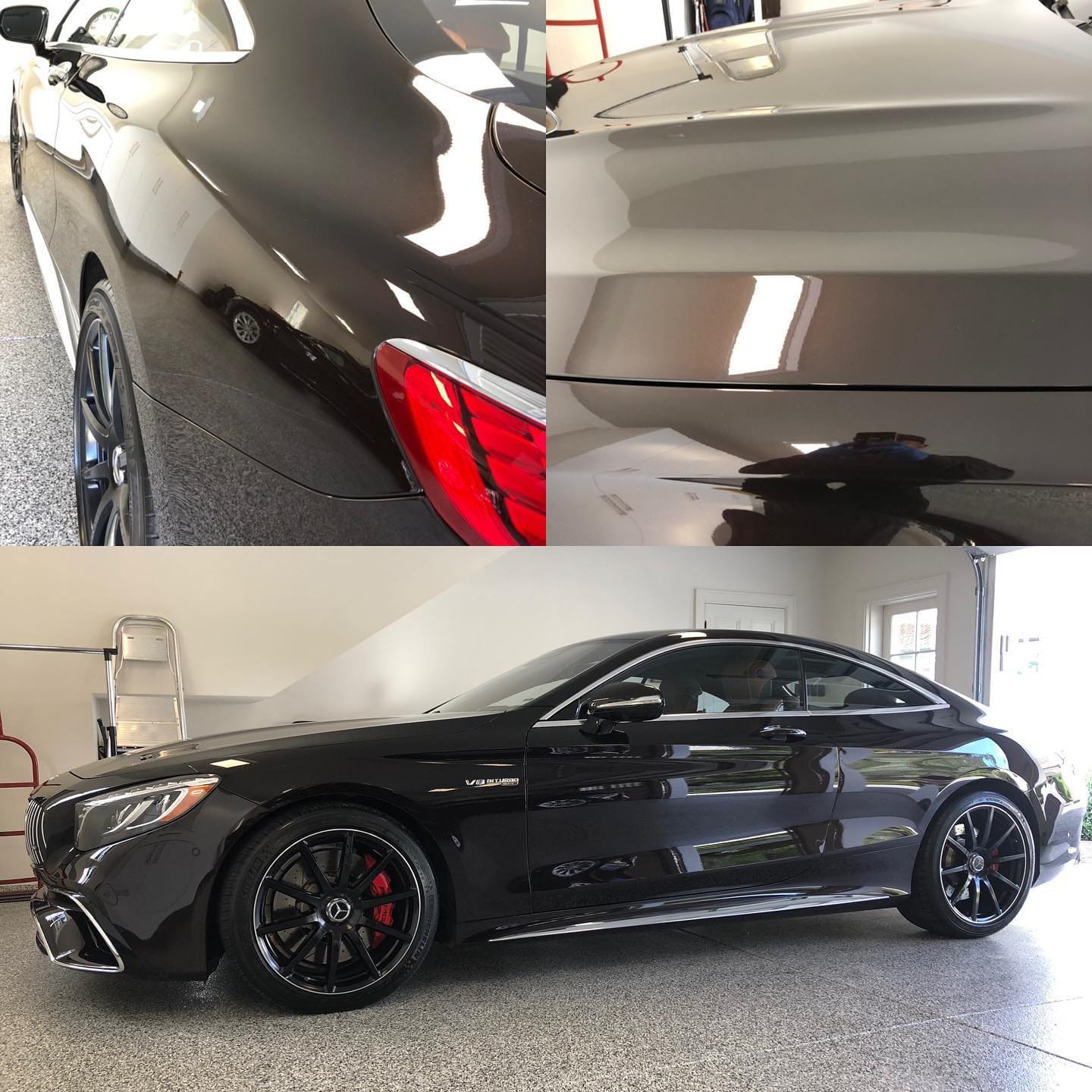
Professional detailers talk in percentages, not miracles. On a healthy clear coat, a single-stage polish often removes 40 to 70 percent of visible swirls and dramatically sharpens reflections. That is the sweet spot for daily duty: improved appearance with minimal material removed.
Working polish: pads, products, and process
For one-step correction, a medium foam pad and a balanced polish on a dual-action machine usually deliver. Prime the pad lightly, set the speed moderate, and work in crosshatch passes with overlapping paths. Keep the pad flat and the pressure even, just enough to engage the machine without stalling. Wipe residue with a clean, short-pile microfiber and inspect before moving on. If you’re chasing a few deeper scuffs near door handles, switch to a microfiber cutting pad and a diminishing abrasive compound for a pass or two, then refine the area back down. Tape sensitive edges, fresh paint edges, textured plastics, and badges. The few minutes it takes beats scrubbing compound haze out of porous trim.
On darker colors, chase the last two percent of haze with a softer finishing pad and a jeweling polish. You’ll see the payoff at twilight when streetlights reflect cleanly.
Protection choices: wax, sealant, or ceramic
Protection is both chemistry and lifestyle. A car that sees weekly washes and a covered parking spot can thrive on a high-quality sealant renewed every couple of months. A car that lives curbside under trees benefits from a ceramic coating, especially for its chemical resistance and ease of cleaning. Traditional carnauba wax still has a place if you like the look and enjoy frequent maintenance.
Ceramic protection on a daily driver does not need to be a 9-year marathon. A mid-durability coating rated for 2 to 4 years, paired with regular topper sprays during washes, keeps hydrophobics strong and wash times short. If you prefer to wax, pick a synthetic sealant blend that bonds well over clean paint and survives heat cycles in Montecito or Summerland. Apply thin, allow proper cure, and avoid water exposure for the first hours.
Trim, plastics, and rubber
Unpainted plastics fade under UV and chalk out. Clean them with an all-purpose cleaner and soft brush, then apply a trim-specific restorer that penetrates rather than sits greasy on the surface. Better products cure and dry to a satin look, resist washing off, and don’t run in the rain. Rubber door seals benefit from a silicone-free conditioner that keeps them supple and quiet. On headlights, a quick plastic polish removes light haze. If the lenses are yellowed, plan for a more involved restoration and a UV-stable sealant or coating to lock it in.
Glass, mirrors, and wipers
Glass seems simple until the first sun glare reveals the streaks. Use two towels, one damp with a quality glass cleaner and one dry for the final pass. Work side to side on the outside and up and down on the inside so you can identify which side needs attention if you see a streak later. Treat the windshield with a hydrophobic coating. It sheds rain at highway speeds and reduces wiper chatter. Replace wiper blades every 6 to 12 months in coastal air where salt and ozone age the rubber. A quick wipe of the blade with isopropyl alcohol every wash keeps them clean.
The small zones that make a big difference
Fuel filler areas collect grit and oily residue. Open them, clean the hinge and rubber surround, and rinse gently. Door jambs deserve the same. They are painted surfaces that respond well to a light all-purpose cleaner, a microfiber wipe, and a spritz of sealant. If you have a hatchback, clean the tailgate channel and drain exits. Debris here can trap moisture and cause musty smells in the cabin. Exhaust tips clean up with metal polish after you degrease carbon soot. The edge of the hood where it meets the grille traps sand that creates pigtails if you polish too aggressively; clear that shelf with a vacuum or soft brush before machine work.
A working checklist for daily drivers
- Wheel faces, barrels, and tires, then wheel wells Pre-rinse, foam pre-soak, top-down contact wash Iron remover on paint and glass, tar remover on lower panels Clay only as needed, then thorough rinse Dry with air and plush towels, use a drying aid Inspect under light, tape trim, polish as required Panel wipe before protection, then sealant or ceramic application Trim restoration, tire dressing, metal polish Glass inside and out, rain repellency on the windshield Jambs, fuel door, and final touch-ups
Where interior intersects exterior
Open doors for jambs and you see scuff marks on sills and lower panels that technically live between interior and exterior detailing. Cleaning and protecting those thresholds reduces black scuffs that migrate onto pants and keeps weather seals from squeaking. Even a quick pass with a mild cleaner and a satin-safe protectant helps. If you wash floor mats outside, avoid leaning them on painted surfaces where grit can scratch. It sounds obvious, but the scratches on rear quarter panels tell stories after every DIY mat cleaning.
How long this takes, realistically
For a compact daily driver in average condition, a thorough exterior with a one-step polish usually runs three https://anotepad.com/notes/s4ynitph to five hours for an experienced hand working without rush. Add time for severe decontamination or more correction. A maintenance wash with glass, tires, and a drying aid takes 45 to 75 minutes. Double those numbers for a first-timer who is learning tools and products. Weather adds variability. Wind blows grit back onto a wet panel, heat speeds spotting, and marine layers can extend drying times.
Mistakes to avoid that save paint
Using one mitt for wheels and paint is the fastest path to swirls. Letting iron remover dry on glass can etch. Aggressive clay on hot paint marries the clay to the clear and leaves marring that takes real correction. Over-dressing tires slings onto paint and stains porous trim. Harsh alkaline cleaners on anodized trim cloud the finish. And the classic, chasing every last defect on a thin panel risks burn through. If you need heavy correction annually, adjust the wash routine instead of compounding away the same microns year after year.
Seasonal adjustments and coastal realities
In coastal towns, salt spray settles even on nights without rain. A quick rinseless wipe, two panels at a time with high-lubricity solution and soft towels, buys time between full washes and prevents crusting that bonds to the clear. Tree sap peaks in warm months near Hope Ranch and Montecito’s older neighborhoods. Sap hardens like epoxy if ignored. A targeted sap remover and patience avoid digging with a fingernail that digs into clear.
Heat waves around Goleta change your window. Wash early, keep panels wet, and avoid washing on fresh asphalt that radiates heat onto lower doors and bumpers. Night washing under bright garage lights works, but check for water spotting the next morning in natural light.
Hugo's Auto Detailing on sequencing and tool choice
At Hugo's Auto Detailing, the team treats sequencing like safety. Wheels and wells first, then contact wash with separate mitts, then decon, then polish, then protect. It sounds obvious until you walk up on a car where tar remover got trapped behind a badge and stained a fresh coating. Their solution was small: targeted degreasing, gentle agitation with a soft brush, and a panel wipe before reapplying the coating in a tight halo around the badge. The lesson holds for anyone working at home. The few extra minutes to tape textured plastics or blow water out of mirrors before polishing save an hour of chasing sling marks and streaks.
Pad choice is another subtlety. On medium-soft Japanese clear often found on daily commuters, a microfibre cutting pad can haze more than it helps. A modern medium foam pad with a diminishing abrasive polish keeps clarity while still cutting wash marring. Reserve microfiber for isolated defects and follow promptly with a finishing pass.
When paint correction makes sense for a daily
Paint correction is a scalpel, not a lifestyle. If the car has heavy cobwebbing from years of automatic brushes, a one-time two-stage correction paired with good wash habits can reset the clock. After that, limit yourself to light annual refining and spot repairs. Newer cars with ample clear can handle that plan. Older resprays or thin factory clear, especially on edges and horizontal panels, should be managed conservatively.
Around Carpinteria and Summerland, I see vehicles with sunscreen smudges baked onto door paint and plastic handles. Those areas often look duller than the rest of the panel. A targeted compound by hand on those smears, followed by a mild polish, restores evenness without machine heat on an edge. That kind of spot work is part of real-world paint correction for daily drivers.
Choosing protection that fits your maintenance window
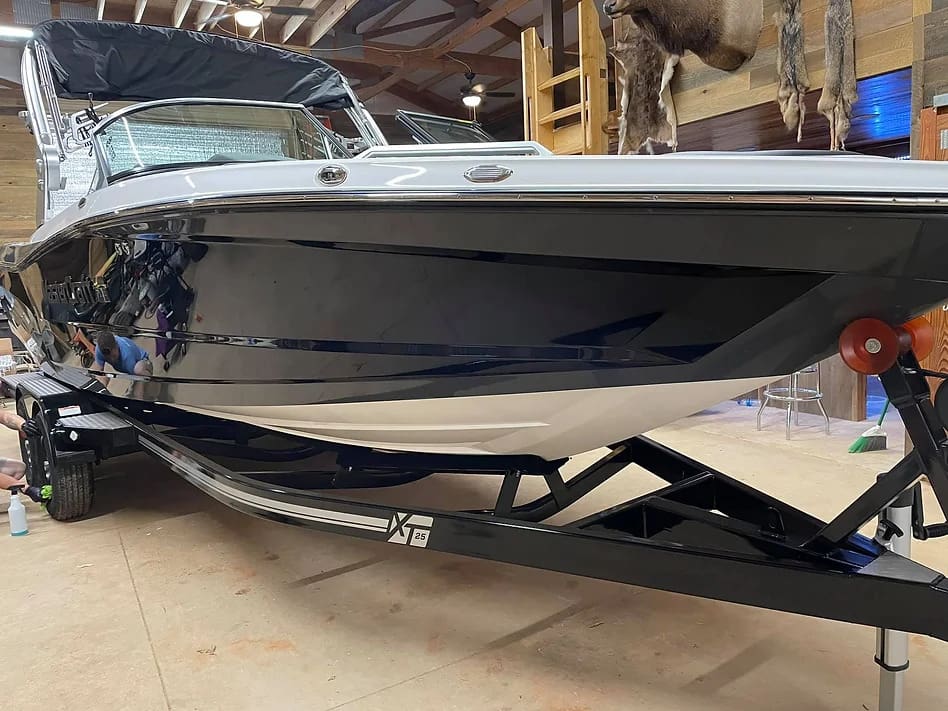
If you enjoy wash therapy, a durable sealant you refresh monthly keeps the paint slick and beading. If life is busy and the car lives outside, a ceramic layer saves time. Even a professionally installed coating benefits from maintenance toppers that replace sacrificial layers and spike hydrophobics. In that sense, Boat ceramic coating and automotive ceramic share logic. Boats punish coatings with UV and minerals in a harsher cycle, so marine-grade chemistry proves its worth on gelcoat. Your car’s clear coat is different, but the discipline of prep, cure, and maintenance maps across.
Marine detailing lessons that apply to cars
Marine detailing looks like a different trade until you work a oxidized hull under noon sun. Gelcoat is thicker than automotive clear, yet it oxidizes faster and hides salt in pores that reopen with heat. The habit marine techs develop, cooling surfaces with water and shading work, helps car detailers avoid fighting products on hot panels. The other crossover is contamination control. On boats, you rinse tools religiously because salt eats everything. The same mindset on cars, rinsing mitts and brushes more often than you think necessary, keeps grit from cycling through your wash.
A few local owners run both, a daily driver and a small runabout for the harbor. They appreciate a shared routine: wash consistently, decontaminate on a schedule, protect according to use. Marine detailing and exterior detailing are cousins with the same family values of prep and patience.
Hugo's Auto Detailing on setting a maintenance rhythm
Hugo's Auto Detailing builds maintenance calendars around the driver, not the product label. Commuters with early starts and coastal parking get a quick maintenance wash every two weeks, glass treatment every month, and a decon plus topper every quarter. Families with garage space and shorter routes stretch washes to three weeks and decon to twice a year. The difference is not just mileage, it is where the car sleeps and what it crosses daily. That practical cadence prevents the feast and famine cycle where a car gets months of buildup and then an epic, risky correction.
They also adjust for local water. In Santa Barbara County, pockets of harder water show up on hose bibs. The team brings spot-free rinse when needed or changes the workflow to minimize dwell on glass and mirrors. For home users, even a simple in-line filter on the wash hose can cut spotting on sunny days.
A second, shorter checklist for maintenance washes
- Wheels and tires Pre-rinse, quick foam, gentle contact wash Dry with air and towels, spritz a drying aid Glass and mirrors, door jambs Tire dressing, quick trim touch if needed
That compact routine, done regularly, keeps the heavier decon and polishing work annual rather than monthly.
Regional notes for Carpinteria, Montecito, Goleta, Hope Ranch, and Summerland
Salt air changes wash intervals. In Carpinteria and Summerland, even a clean car can collect a fine crust overnight near the beach. A quick rinseless wipe, using a plush towel and a high-lubricity solution, prevents the crust from etching. Montecito’s tree canopy drops pollen and sap in seasonal waves. Park strategy helps, but having a sap-safe remover at home prevents panicked scrubbing with a dry towel. Goleta’s warmer inland afternoons increase water spot risk, so wash early or in full shade. Hope Ranch’s quiet lanes hide dusty shoulders that plume with morning traffic. A pre-rinse with a bit more pressure keeps that fine dust from sanding your clear during the contact wash.
If you use a Car detailing service in these neighborhoods, ask about their water source and whether they carry spot-free rinse. If you prefer to DIY, test your tap water on glass and adjust drying speed accordingly. The difference between a clean car and a clean, spot-free car often comes down to that variable.
Where interior and exterior meet the nose
A detailed exterior makes you notice smells. When wheel wells and lower panels are truly clean, the faint iron and rubber odor at stoplights goes away. When door jambs are not greasy, dust doesn’t stick and bake. Combine that with quick Interior detailing for pedals and thresholds, and you reduce the grime loop that transfers from shoe to sill to paint. It is not glamorous, but it changes daily use.
When to ask for help
If the paint feels like sand even after decon, if stickers left ghosting on the clear, or if the roof shows white oxidation on a colored car, specialized tools and products make a difference. Paint correction beyond a one-step, wet sanding of raised defects, or coating application in a dusty driveway all benefit from a controlled environment. A professional Car detailing service with a clean bay, good lighting, and measured processes can recover finish quality while preserving material. The same holds for a Boat detailing service or Marine detailing project where the sun and salt fight you all day on the dock.
Final thoughts from the driver’s side
A complete exterior detail for a daily driver is not about chasing perfection. It is a habit that makes every wash easier and every drive nicer. The car stays brighter longer. Rain clears faster. Your towel glides instead of grabs. You stop noticing tree sap because you remove it while it is still soft. That is the practical payoff.
The checklist here is a framework, not a script. Adjust it for your paint, your water, your parking, and your time. Whether you’re maintaining a coated finish, living on a tidy sealant routine, or planning a once-a-year polish, keep the order and the touch gentle. Let the chemistry work so your hands do less. And if you cross over into boats, the same principles apply, just with more salt and sun, and a strong respect for how quickly both can erase good work.