Hope Ranch punishes paint. Salt air drifts in from the Pacific, eucalyptus pollen settles in sticky film, and coastal sun bakes everything it touches. From the bluffs to Marina Drive, vehicles live a harder life than their odometers suggest. That is why true protection matters more than periodic washes. A tailored approach, built around precise decontamination, paint correction, and ceramic coatings, keeps finishes crisp and functional instead of just glossy for a week.
This piece gathers what works on the coast, what looks good on day one and still performs six months later, and what to watch with both cars and boats. Along the way, I will share how local operators approach specific surfaces, including the methods we have seen succeed at homes in Hope Ranch, alongside case notes from nearby Montecito, Carpinteria, Goleta, and Summerland. The goal is straightforward: paint, gelcoat, trim, leather, and teak that last.
What Hope Ranch climate does to finishes
The common culprits show up in patterns. Salt and humidity creep into unprotected trim and etch clearcoat. Coastal breeze carries fine grit that creates linear micro-marring, especially on the windward sides of vehicles parked outdoors. Morning dew, heavy with minerals, dries under sun and stamps a watermark into glass and paint. On boats, oxidation is brisk, almost clockwork, once a gelcoat loses its protective film.
If you drive or dock here, the maintenance schedule that works inland will come up short. Exterior detailing must account for relentless UV and the daily salt film. Interior detailing needs more attention on sun-exposed leather, stitching, and alcantara. For boats, marine detailing splits effort between hard-water spot removal, non-skid cleaning, and gelcoat preservation. The detailer who sets expectations around these realities will save you correction time in the long run.

The foundations: wash discipline, decontamination, and inspection
Every strong finish starts with a sound wash. Too many cars pick up swirls from improper soap and pads. I like a pH-balanced shampoo, a pre-foam to reduce friction, then a contact wash with separate mitts for upper and lower panels. Wheels get their own tools. Iron fallout remover does a quiet, essential job here; coastal brake dust and rail dust do not always show, but they embed. A clay step, used with restraint, lifts bonded contaminants without adding mar. On dark paints in Hope Ranch, I often choose a fine-grade clay alternative pad to reduce the risk of marring.
After decontamination, lighting tells the truth. I use a 5000K handheld LED and move around the vehicle, panel by panel. You only see the story of past tunnel washes and towel marks when light rakes across the clearcoat at an angle. The inspection shapes the paint correction plan. Correction needs to be surgical, not maximal. The clearcoat is finite.
Paint correction in coastal conditions
Paint correction makes or breaks a ceramic coating. If you seal in micro-marring, you build a permanent veil over the color. The correction approach changes with paint type and use case. A daily driver parked under trees near Vieja Drive will show different defects than a garage-kept weekend coupe above Las Palmas. I prefer a staged method: refine the least aggressive path first, test a small area, then adjust.
For many European paints, a microfiber cutting pad with a diminishing-abrasive compound like M101 or a modern equivalent opens the correction, followed by a foam polishing pad and a finishing polish to restore clarity. Japanese paints often respond better to gentler pads to avoid haze. Single-stage, common on older restorations, needs a slower hand and frequent pad cleaning. On white paint, oxidation hides in plain sight; a quick IPA wipedown between sets helps verify actual removal versus filler gloss.
I keep dust down with pad conditioning and low-to-moderate machine speeds. Salt film combined with dry compounding dust is a recipe for pin-marring along the edges. Mask trim, badge recesses, and rubber gaskets. Those areas collect compound and become cleanup traps.
Ceramic coatings, explained without hype
A good ceramic coating is not a magic shield, it is a sacrificial, hard, slick layer that resists chemical attack and UV better than waxes or most sealants. The best reason to use a coating in Hope Ranch is not beading on video, but the way it slows down etching from salt, water spots, and bird droppings. Hydrophobics make maintenance easier, which means you wash more often and grind less dirt into the paint during each contact.
On the cars I see https://penzu.com/p/a0af34d94eb4bc85 along Marina Drive, a two-layer pro-grade coating, sometimes with a topper, strikes the right balance. Single-layer formulations have improved, yet a base layer for hardness and a top layer for slickness and chemical resistance tends to stretch the maintenance interval. Expect realistic durability of 2 to 5 years depending on wash technique and exposure. Outdoor parking will compress the timeline. If you live beneath shedding trees or have frequent sprinkler overspray, a quarterly topper keeps slickness high and spotting lower.
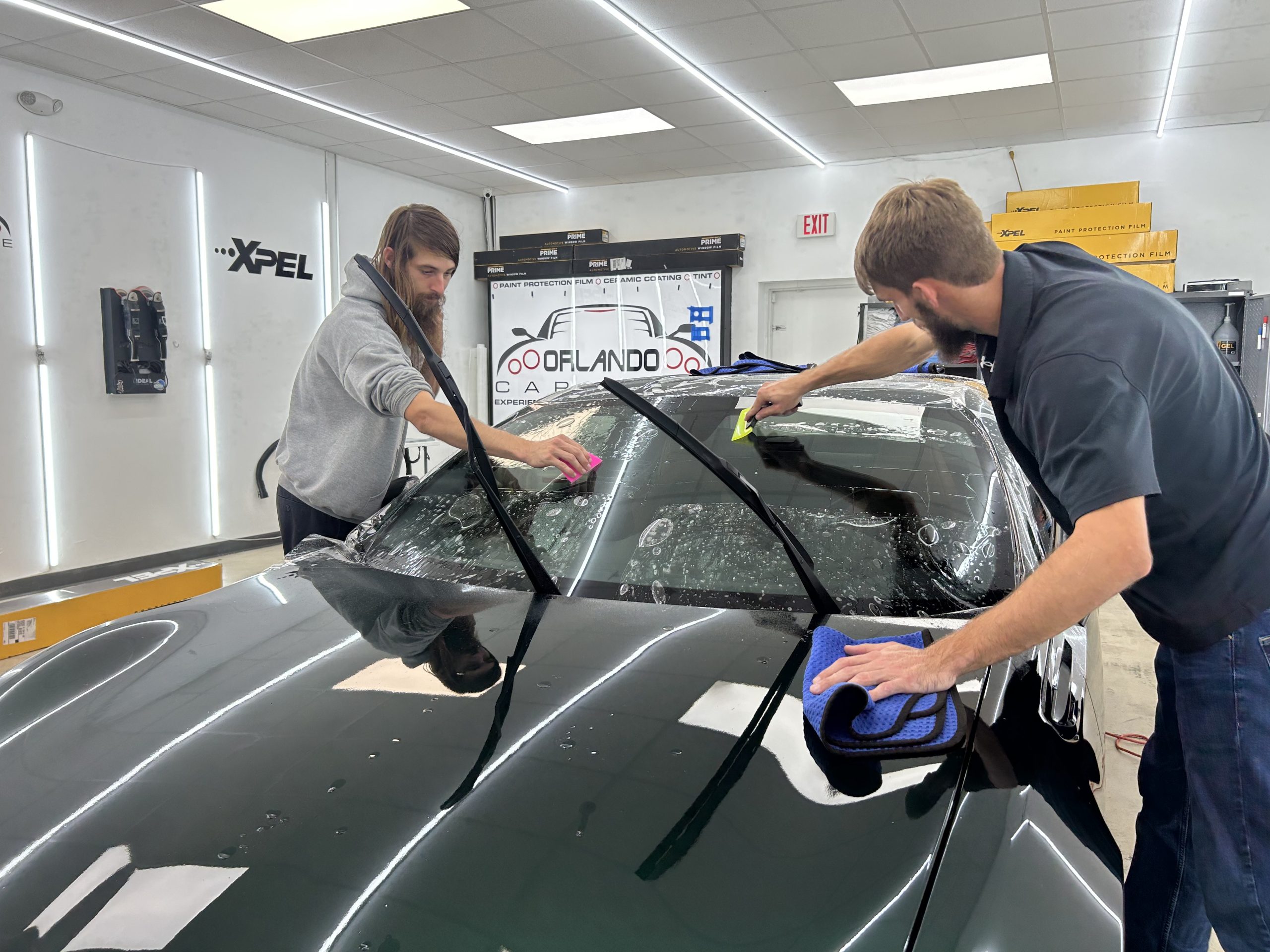
Application matters more than the label on the bottle. Panels must be fully cleaned with appropriate panel-wipe solvents. Temperature and humidity control the flash window. I work in small sections, watch the rainbowing, and remove the product in two-towel stages. High spots, those faint smears, become visible under cross-lighting if you take a slow lap around the car after application.
Marine detailing and boat ceramic coating: different surface, different plan
Gelcoat is not clearcoat. It is thicker, chalks faster, and loves to oxidize near the waterline and on sun-facing decks. A boat detailing service that treats a hull like a car hood will chase its tail. Oxidation removal on gelcoat takes heavier cutting, often with wool pads and a rotary, then polishing to restore gloss. Once the surface reads clean and glossy under direct sun, a marine-grade ceramic coating buys time against UV and makes rinse-downs faster.
Non-skid decks need traction, not gloss. I prefer ceramic products formulated for non-skid that add stain resistance without creating a skating rink. Metal hardware benefits from ceramic sprays that reduce spotting and pitting. Isinglass and acrylic windows call for dedicated cleaners and protectants; never hit them with aggressive compounds or household glass cleaner.
On boats in the Santa Barbara and Hope Ranch area, expect quarterly spot treatment for waterline deposits, a mid-season light polish on high-sun areas, and a full annual polish and re-coat schedule if the vessel lives outdoors. A covered slip changes the equation. The ocean still finds you on windy days.
Hugo's Auto Detailing in practice: what local vehicles teach us
Hope Ranch drivers bring interesting challenges. One week it is a black sport sedan parked along Paloma Drive, the next a white SUV that lives in a breezy driveway. I watched a team from Hugo's Auto Detailing approach a metallic gray coupe that looked fine at first glance. Under proper lighting, it wore a film of linear marring and etched bird droppings across the hood. They walked the owner through a two-stage correction, not three, noting that the clearcoat depth readings along the hood were already on the thin side compared to the fenders. That restraint preserved clarity without chasing perfection where little material remained.
After correction, they laid down a two-layer ceramic with a flexible top coat, then returned a week later for a post-cure inspection and gentle wash. The follow-up wash matters because it reveals any missed high spots and sets the maintenance rhythm. Six months later, the car still rinsed clean easily, but the owner admitted to one rushed wash with a beach towel at a party. The team re-topped the coating, reinforced wash steps, and avoided a full repolish. That is how coatings pay back in coastal environments: you save correction cycles by keeping contamination on the sacrificial layer, not the base paint.
Interior detailing where sun meets salt
Interiors in Hope Ranch face sun more than salt, but the latter sneaks in on beach days. Leather dries and cracks at the bolsters first. Alcantara mats down with skin oils. Trim creaks more when dust grinds into seals. A thorough interior detailing starts with dry extraction, vacuuming with the right crevice tools, and gentle agitation at seams. Leather responds to pH-appropriate cleaners and conditioners, not heavy gloss dressings. I like a matte finish that restores suppleness without shine.
Glass deserves two passes, inside and out, with a dedicated low-lint towel. Anyone who has driven west at sunset knows how a thin film on the windshield blooms into a glare. For cabin plastics, UV inhibitors are worth the effort. On cars that sit in open driveways above the bluffs, those inhibitors keep grays from going chalky by late summer.
For marine interiors, mold risk creeps in with temperature swings. Ventilation and moisture control trump heavy chemical use. When in doubt, test on hidden sections. Boat cabin fabrics vary widely.
Where nearby locales shape detailing choices
The microclimates from Carpinteria to Goleta create small shifts in detailing priorities. Car detailing Carpinteria sees more morning moisture and sprinkler drift near residential streets east of town. Paint there picks up mineral spots faster, so I lean into ceramic toppers with high spot-resistance and recommend a deionized rinse for home washes if possible.
Car detailing Montecito brings more garage-kept vehicles with lower contamination but higher expectations for gloss purity. On these cars, I prefer finishing polishes that preserve maximum clarity under showroom lighting and avoid heavy silicone dressings that can streak under photo lights.
Car detailing Goleta usually means commuting and parking near industrial areas; fallout and road film are stronger. Iron removal steps earn their keep. For Car detailing Summerland and Car detailing Hope Ranch, the ocean rules, and gentle wash contact with frequent rinses reduces abrasion. In both areas, simple habits like rinsing the lower panels and wheels after a short coastal drive, even without a full wash, lower the salt load.
Exterior detailing best practices that survive real life
It is easy to write a perfect care plan for a car that never sees the street. The reality is errands and surf runs. To keep exterior detailing realistic:
- Commit to a weekly or biweekly gentle wash, two buckets if possible, using quality mitts and separate wheel tools. Rinse thoroughly after coastal drives, even if you cannot wash the same day. Use a drying aid that adds slickness, and blot rather than drag towels on horizontal panels. Keep a small bottle of bird-dropping remover and a soft towel in the trunk for immediate spot cleaning. Schedule a quarterly decontamination wash with iron remover and a light topper application.
Those five steps cut most long-term damage on coated and uncoated cars alike. They are also manageable for busy owners.
Hugo's Auto Detailing on boats: a marine detailing snapshot
I spent an afternoon watching Hugo's Auto Detailing work a 28-foot center console that moored near Santa Barbara Harbor but spent weekends near Hope Ranch waters. The gelcoat had the classic dullness from sun and salt-laden spray, worse on the starboard side. They started with an alkaline foam to break down organics and old wax, then a targeted acid pass at the waterline to release mineral scale. Masked rubber rails stayed clean. Only after a thorough rinse and dry did they cut oxidation with a wool pad and a medium compound, keeping temperatures in check to avoid smearing.
For the boat ceramic coating, they chose a marine-specific product with robust UV blockers. Non-skid decks received a separate treatment for stain resistance while preserving traction. Stainless hardware and rod holders got a ceramic spray to fight tea staining. The owner’s maintenance plan was simple: freshwater rinse after outings, gentle pH-neutral soap on heavy weekends, and a quarterly inspection for touch-ups. The result was not a showpiece for a boat show, it was a fishing platform that rinsed clean quickly so the owner could spend more time offshore and less time scrubbing on Sundays.
When paint correction should wait
There is a temptation to chase perfection on every panel. Sometimes the smart move is to preserve clearcoat and focus on protection. If a hood reads thin on a paint depth gauge, I will recommend a one-step polish to brighten the finish, then a high-quality coating. The coating’s slickness reduces the friction that causes additional marring. Later, if a dedicated correction is truly needed, you still have material to work with. This restraint shows up more often on repainted panels or on cars that endured automatic washes before the owner learned better habits.
The difference between waxes, sealants, and ceramics on the coast
Traditional wax looks warm and can be satisfying to apply, but in Hope Ranch it falls off fast under UV and salt. Polymer sealants last longer, often a few months, but still require frequent reapplication and do little against strong water spotting. A well-applied ceramic coating changes the care pattern, shifting effort from frequent protection to consistent gentle washing. You still need maintenance, but you are not stripping and reapplying protection every few weeks. For show cars that only go out on dry days, a high-finish wax over a ceramic base can add a glow without much penalty.
Glass, trim, and wheels deserve their own plan
Glass builds mineral etching near the wiper sweep and at the windshield top where salt fog dries. A dedicated glass polish, followed by a glass ceramic coating, pays off in wild weather when hydrodynamics keep the windshield clearer at speed. On trim, choose ceramic products that bond to plastics and resist UV, rather than oily dressings that run when dew hits.
Wheels eat the worst of the road. Coat them if you can. It makes brake dust rinse easier and prevents etching that never fully clears. For heavily driven cars in Goleta, where brake dust and industrial fallout compete, wheel coatings combined with softer wheel brushes protect finishes without harsh chemicals.
Common mistakes that shorten coating life
I see the same errors on coated cars around the coast. People wash too infrequently, let salt sit, then scrub harder to compensate. Others use household detergents that strip toppers and dry out rubber and trim. Some owners use one towel for an entire car, dragging grit from the rocker panels onto the hood.
A few simple habits help. Refresh your towels often and retire them to wheel duty once they degrade. Use lubricated drying aids. If you must hit a drive-through wash in a pinch, choose touchless, then plan a proper wash soon after. Check your sprinkler system if you park outside; well water spots can etch faster than ocean spray.
Where a professional car detailing service fits
DIY care goes a long way. The right partner steps in for the parts that benefit from experience and specialized tools. A trained car detailing service with paint meters, multiple machine polishers, controlled lighting, and access to professional ceramics reduces the risk of mistakes. They also keep you honest on maintenance intervals. In Hope Ranch I find that a professional exterior detailing cycle twice a year, combined with regular owner washes, keeps most cars looking excellent. If the car lives outdoors full time, a quarterly check is smarter.
For boats, a professional boat detailing service earns its keep by handling oxidation efficiently and applying boat ceramic coating products evenly across complex shapes. Good marine detailing acknowledges hardware, seam sealants, and non-skid, not just big glossy panels. The best crews leave a clean bilge and tidy lockers too, a detail that says they respect systems as much as surfaces.
A seasonal rhythm that actually works
The calendar helps. Early spring, before the foggy mornings settle in, schedule a decontamination wash and inspection. Mid-summer, consider a topper and a careful look at horizontal panels for early signs of etching. Late fall, when winds pick up, keep rinses frequent to fight salt film. Winter storms bring dirty rain; rinse after each system passes, even if you cannot wash fully.
Owners along Estrella Drive who keep to that cadence report fewer correction cycles and less frustration. The pattern becomes habit, and the car or boat rewards the consistency with lower effort day to day.
Choosing the right partner in Hope Ranch
Pay attention to questions a detailer asks you. The good ones ask where you park, how often you wash, if sprinklers hit the car, and whether you drive before dawn or at sunset. They check paint thickness, test a small area before committing to a correction path, and tell you when restraint is wise. I have seen Hugo's Auto Detailing decline extra correction steps on a classic where the readings were low, then spend the saved time sealing and protecting vulnerable trim and seals. Poor shops chase gloss on day one, then leave the owner with fragile paint and no plan.
Ask how they handle high spots on coatings, whether they perform post-cure inspections, and what their maintenance guidance looks like. Listen for practical, specific answers. If they promise a scratch-proof miracle, keep looking.
What matters more than products
Products change every season, but process and discipline travel. A decontamination-first mindset, measured correction, thoughtful ceramic layering, and realistic maintenance outlast brand names. Your driving and docking patterns tell the story. If you love early morning surf sessions at Sands Beach, set a rinse routine. If your boat lives outside and faces west, schedule more frequent UV checks. If your cars rotate between Hope Ranch and Montecito, accept that garage time buys you a longer maintenance interval and plan accordingly.
The finish is not a trophy to be won once. It is an asset you preserve, day after day, with small, smart actions and occasional heavy lifts from a professional team that understands the coast.
Bringing it together
Hope Ranch rewards preparation. Salt, sun, and grit will always test paint and gelcoat, yet they do not have to win. Use a wash process that respects surfaces. Correct only as much as necessary. Seal with ceramics that fit how you live, not a spec sheet fantasy. For marine detailing, approach gelcoat and non-skid on their own terms, with coatings that prevent chalking and stains without creating slick hazards.
If you want a nearby reference point, spend a morning around a team like Hugo's Auto Detailing during a full correction and coating session. You will see why the boring parts, the masking, measuring, pad cleaning, and methodical wipe-downs, decide the outcome. The shine at the end is earned long before the coating bottle opens.
With the right habits and the right help when it counts, vehicles and boats in Hope Ranch can carry a deep, clear finish through seasons of coastal air, bright sun, and everything the wind throws at them. The work is steady, not flashy, and it stays that way because the process respects the environment as much as the surface.