Owning a boat invites a certain kind of stewardship. Salt, sun, and motion are relentless, and they leave fingerprints everywhere, from the gelcoat on the hull to the vinyl at the helm. A proper boat detailing service is not a luxury add-on, it is a maintenance discipline that protects performance, safety, and long-term value. The work blends chemistry, technique, and timing, and the best results come from understanding how each material behaves in a marine environment.

The stakes on the water
Marine detailing is different from car care in one critical way, exposure. Boats face UV intensity that can be 20 to 30 percent harsher https://fernandomohh696.bearsfanteamshop.com/boat-ceramic-coating-vs-wax-which-protects-better on open water than on land. Add spray, salt, acidic bird droppings, and constant microabrasion from fenders and lines, and the surfaces age quickly if you let them. A six-month lapse in protection can mean a season of compounding instead of quick decon and polish. The smartest owners treat detailing like oil changes, preventive and on a schedule, not reactive once defects appear.
Hull work starts below the rub rail
Detailers tend to divide the boat into zones so the right process meets the right surfaces. The hull carries the most punishment, especially for boats that live in the water. Start with a genuine rinse, top to bottom, then a purpose-built marine wash that breaks salt without stripping protection. A pH-balanced cleanser with chelating agents helps lift minerals that ordinary soap leaves behind.
If the hull is painted, you treat it like automotive clear, though with boat-safe products. If it is gelcoat, you plan for more aggressive defect removal because gelcoat is porous and chalks under UV. Oxidation appears as a matte haze that lightens the color and washes out reflections. A one-step all-in-one rarely cuts it after a full season. You need a compound that can bite, and on heavily oxidized gelcoat we reach for a wool pad with a diminishing abrasive compound, then refine with a foam pad and a polish. Expect two to three passes in problem areas like the bow shoulders that see constant spray and sun.
Waterline scum lines need targeted chemistry. Acidic hull cleaners remove tannins and calcium, but overuse etches and thins the surface. The trick is pre-soaking with an alkaline degreaser, then stepping to a milder acid for the final pass, followed by a thorough neutralizing rinse. That sequence reduces dwell time and stress on the surface.
Above the rub rail, finesse matters
Topside detailing, from the caprail to the helm, is about working around hardware and textures without creating sling or residue in places you cannot reach. Non-skid decks require a different plan than smooth gelcoat. Aggressive compounds and waxes clog the texture. A non-skid cleaner with a foaming surfactant and a soft deck brush pulls dirt without flattening the pattern. Once clean, a polymer or ceramic spray made for non-skid adds UV resistance and easier rinse-offs without making the deck slippery. Test a patch before applying to large areas, and steer clear of silicone-heavy dressings that feel slick underfoot.
Rails, cleats, and fixtures demand attention to cross-contamination. Polish stainless only after you have finished compounding the surrounding gelcoat, otherwise black residue will embed in pads and smear across paint. A metal polish with corrosion inhibitors and a microfiber applicator removes tea staining, and a thin synthetic sealant slows the return.
Canvas and isinglass are their own skill set. Clear vinyl scratches if you look at it wrong with the wrong towel. Flood rinse, then wash with a mild soap and a fresh, plush microfiber reserved for clear surfaces. Use a plastic polish sparingly, and never machine polish isinglass. With canvas, you clean, dry completely, then re-proof with a marine fabric protectant, two light coats instead of one heavy one. A rushed job traps moisture and invites mildew, and mildew on canvas is a bear to remove without bleaching the fibers.
Inside the cabin, microclimate rules
Interior detailing on a boat is not the same as cleaning a car. The cabin is a microclimate prone to humidity spikes. Mildew prevention competes with comfort. Start with ventilation, opening hatches and running fans. Vacuum thoroughly, then extract fabrics with low-moisture techniques. Over-wetting cushions in a humid cabin is a recipe for musty smells and slow-drying foam. Use an enzyme-based cleaner for organic spills and a hydrogen-peroxide-based spotter for mildew stains, with colorfastness tests in inconspicuous spots.
Teak trim wants a gentle touch. Skip shiny poly finishes, they look out of place and trap grime at the edges. Wipe with a teak cleaner, neutralize, and consider a matte sealer that preserves tone without a plasticky sheen. For vinyl seats, marine-grade cleaners and UV protectants matter. Automotive dressings can feel greasy and attract dust. Look for water-based protectants with UV absorbers, and apply sparingly. Electronics around the helm should be covered during work. Overspray that seems harmless can cloud screens over time.
Paint correction for boats vs cars
Paint correction lives at the intersection of defects and available clear. On a car, you assess with a paint gauge and work surgically. On a boat with gelcoat, you often correct more aggressively to pull oxidation and restore depth. But gelcoat correction has a catch, it is easy to chase perfection where it does not matter, like under a rub rail or behind fenders, then run out of time for the areas everyone sees. Prioritize the bow, hull sides, and transom where reflections make or break the result.
Heat management differs too. Gelcoat is thicker, but it holds heat, and wool on a rotary can spike temperatures. Work in smaller sections, keep pads clean, and vacuum pads frequently. If you notice resin smell, that is your cue to back off. With painted topsides, treat it like automotive clear and use dual-action polishers to minimize risk. On older boats, you encounter repairs and mismatched panels. Blend carefully and aim for uniform gloss rather than perfect defect removal across every square inch.
Boat ceramic coating, when it makes sense
Ceramic coatings in a marine setting buy you time between major details and make rinsing easier, but they do not eliminate maintenance. The best use case is for new or recently corrected gelcoat and painted surfaces topside. On hulls that live in the water, many coatings are not anti-fouling and will not prevent growth below the waterline. If the boat is trailered, a coating on the hull pays off, minimizing staining and reducing drag from film buildup.
Proper surface prep is non-negotiable. Decon with iron removers is less common on boats, but you should still clay or use a mild mechanical decon on smooth gelcoat after polish. Oils from compounds can hide in the pores of gelcoat, so use a panel prep with a higher solvency blend and longer wipe time. Apply in manageable sections to avoid high spots, and inspect under varied lighting. In our experience, a two-layer marine coating on topsides and one layer on non-skid-safe products strikes a good balance. Expect 12 to 24 months of benefit topside with the right wash routine. Below the waterline, ask about coatings designed to complement, not replace, anti-fouling strategies.
The wash routine that preserves the work
Great detailing dies under bad washing. A boat wash routine should be simple, repeatable, and friendly to coatings or sealants. Rinse thoroughly to knock down salt before you touch the surface. Wash with a plush mitt reserved for topside smooth areas and a separate brush for non-skid and gunnels. Change rinse buckets as soon as they cloud. Dry with a blower where possible to keep minerals from spotting, then follow with microfiber drying towels. A quick detailer safe for marine coatings helps displace leftover water and refresh gloss without building residue.
Frequency depends on use. A boat used every weekend in salt wants a proper wash every trip, with a lighter rinse and wipe-down after brief outings. Freshwater boats can stretch the interval to a couple of outings, but UV still works daily, so keep UV protection current on vinyl and plastics.
What a professional boat detailing service includes
A complete boat detailing service covers both exterior detailing and interior detailing with marine-specific products and techniques. At minimum, expect topside wash and decon, hull cleaning, oxidation removal where needed, machine polishing, protection with a wax, sealant, or coating, metal polishing, glass cleaning, non-skid cleaning and protection, vinyl cleaning and conditioning, cabin vacuum and wipe-down, and mildew mitigation. The thoroughness often hinges on time on task. A 25-foot center console that spends its life on a trailer might take 6 to 10 labor hours for a level-one correction and protection. A 35-foot cruiser that sits in a slip and shows moderate oxidation can run 16 to 30 hours, especially if the transom and bow shoulders need heavy compounding.
If you are comparing estimates, ask about pad systems, machines, and compounds for gelcoat, not just car products. The overlap is real, but the marine environment adds variables. A pro who understands the difference will talk about wool versus microfiber pads on gelcoat, non-skid safe protection, and how they handle stainless and isinglass in sequence.
Where car and marine detailing overlap
Many shops that excel at automotive work bring that precision to boats with good results. The mindset carries over, process control, clean pads, controlled lighting, and systematic inspections. You also see cross-pollination in services like paint correction and ceramic coatings. But translation is not one-to-one. A car detailing service that relies entirely on foam pads and finishing polishes might struggle with chalky gelcoat. Conversely, a marine-first shop sometimes uses compounds that would be too aggressive for automotive clear. The right approach draws from both worlds.
I have seen this blend play out on the Central Coast, where owners commute between a daily driver and a weekend boat. Some schedule exterior detailing for the car and marine detailing for the boat in the same week to keep everything aligned. Areas like Carpinteria, Montecito, Goleta, Hope Ranch, and Summerland tend to have coastal sun and salt-laden air that punish both assets. Maintaining a plan for both saves effort later.
How Hugo's Auto Detailing approaches boats
The Hugo's Auto Detailing inspection checkpoint
At Hugo's Auto Detailing, the first session is an inspection, not a wash. You learn more from dry surfaces under strong light than from a wet shine. We map out oxidation levels with a scale from light haze to deep chalk, then measure time on each panel rather than assuming the whole boat needs the same aggression. On a 28-foot pilot house we serviced last spring, we split the hull sides into three zones: bow shoulders with salt spray impact, mid-hull protected by the slip, and transom with exhaust staining. Two compounding passes on the shoulders, one on mid-hull, and a targeted solvent pre-treat on the transom gave a uniform gloss without overspending hours where they were not needed.
That same habit applies to interiors. Before touching vinyl, we check stitching and seams, run a moisture meter in suspect cushions, and plan extraction so airflow and sun help drying. A cabin that smells fresh at hand-off often started with simple choices like staging fans early and keeping solution volumes low.
Hugo's Auto Detailing on ceramic strategy
Boat ceramic coating works best as part of a maintenance rhythm, not a one-time fix. Hugo's Auto Detailing sets coatings where they make sense, topsides, helm area plastics, and smooth gelcoat that has been recently corrected. We avoid coating non-skid with slick products and instead use dedicated non-skid sealants with grip-neutral formulas. One of our regulars, a center-console owner in Goleta, runs a quarterly wash and top-up spray on coated surfaces. After 18 months, the topside still beads, and the hull rinses clean without harsh cleaners. The secret is not the brand of coating as much as honest prep, even coverage, and consistent, gentle maintenance.
Seasonal timing and storage realities
If the boat winters in a yard, schedule heavy correction before shrink-wrapping. Compounds trapped under wrap dust make a mess in spring. If the boat lives in the water, time hull cleaning with haul-outs. Do oxidation removal while the hull is dry and stable, then lock in protection before it returns to the slip. For owners who trailer, build a quick post-run routine at the ramp: a freshwater flush, a soft rinse, and a microfiber wipe on high-touch areas like the helm and transom. These five-minute habits slow down the big jobs.
Sun angle matters too. Work early or under shade for long sections to avoid chasing flash and high spots when applying coatings or sealants. Hot decks bake chemistry and shorten dwell times. You want products to work at their designed window, not fight the weather.
Edge cases that change the plan
Not all boats are equal. Black or navy hulls look spectacular and show every mistake. They tend to run hotter under sun, which can force shorter polishing cycles and longer cooling breaks. Aluminum hulls and T-tops demand pH-aware cleaners and gentle polishing to avoid removing anodizing. If you see chalking on anodized rails, you are dealing with oxidized anodic coating, which does not buff back like paint. You clean, seal, and manage expectations.
Older boats with history carry patches, repaints, and chemistry residue. Silicone from old dressings lingers and can cause fish-eye in coatings. That is why wipe-downs must be thorough, with solvent-based panel preps backed by detergent washes to strip contaminants. Take extra time around decals, as edges lift under aggressive polishing. Tape with a gentle tape and work up to the line, not over it.
Simple checks owners can do between services
A professional detail pays off when owners support it with small, regular tasks. Salt test with your fingers after a run, if you feel grit after a rinse, rinse again before washing. Keep separate towels for glass, vinyl, and gelcoat, and label them so they do not cross-contaminate. Replace deck brushes when bristles mushroom, as flattened tips scratch. Check scuppers and drains during washdowns to ensure runoff carries residue away rather than pooling, which causes tide marks.
For interiors, crack hatches on dry days, even for an hour, to move humid air out. Spot clean spills as they happen with neutral cleaners rather than hot, perfumed products that mask odors and leave residue. And do a quick metal check: if you see tea staining at the base of fittings, hit it with a mild polish before it creeps into pitting.
When car detailing know-how helps locally
Some owners ask whether they can lean on their regular car detailing service for boat care. If the team is seasoned with marine work, yes. In places like Carpinteria and Montecito, we see vehicles and boats that share the same salt exposure and sun. Techniques from paint correction and protection transfer, with tweaks for gelcoat and non-skid. In Goleta and Hope Ranch, coastal fog leaves mineral deposits that are just as tough on windshields as on isinglass. The discipline of controlled washing, decon, and protection applies to both. The key is whether the shop respects the differences, especially around chemistry and surface types.
A short pre-season checklist
- Walk-around inspection in strong light, note oxidation, staining, and hardware corrosion. Test non-skid cleaning on a small patch, confirm no slick residue after protection. Verify isinglass clarity with a small clean, then decide if polishing is safe or if replacement looms. Plan coating top-ups before heavy-use months, not after. Stage tools: separate mitts and towels for gelcoat, vinyl, glass, and metal.
Results that last, not just gloss that pops
A great boat detail is felt as much as seen. Hatches open smoothly because seals are clean and conditioned. Non-skid grips without grabbing dirt. Stainless looks alive, not mirrored and smeary. The helm wipes down after each trip with a single towel because the surfaces repel grime. And the hull, whether white or dark, carries a depth that holds up after a dozen rinse-downs.
When we finished a 32-foot express in Summerland last season, the owner texted a week later, pleased that rinse water slid off the topside and that rail tea staining had not returned. The quiet victory was one you could not photograph, the cabin smelled like the sea, not mildew. That comes from process, not products alone.
What to ask your detailer before the first pass
Good questions shape good outcomes. Ask how they sequence the job to avoid cross-contamination, especially metal polish before paint correction. Ask which products they use on gelcoat versus automotive clear, and how they manage pad cleanliness over long sections. Ask about non-skid protection choices and whether they test for slipperiness. For ceramic work, ask about prep, infrared curing if applicable, and maintenance intervals. A professional will have straightforward answers and adjust the plan to your boat, your storage, and how you use it.
Bringing it all together at Hugo's Auto Detailing
Hugo's Auto Detailing case notes from the coast
We keep notes after each project, not for marketing, for repeatability. On a Hope Ranch runabout stored outdoors, we logged that the starboard side bakes longer in late afternoon sun, so we schedule polishing that side early. On a Carpinteria fishing boat, the owner uses a bleach-heavy deck cleaner between trips. We adjusted by rinsing deeply at the start and switching to oxygen-based cleaners that do not degrade stitching. These small details keep results consistent across seasons and reduce how often we need heavy correction.
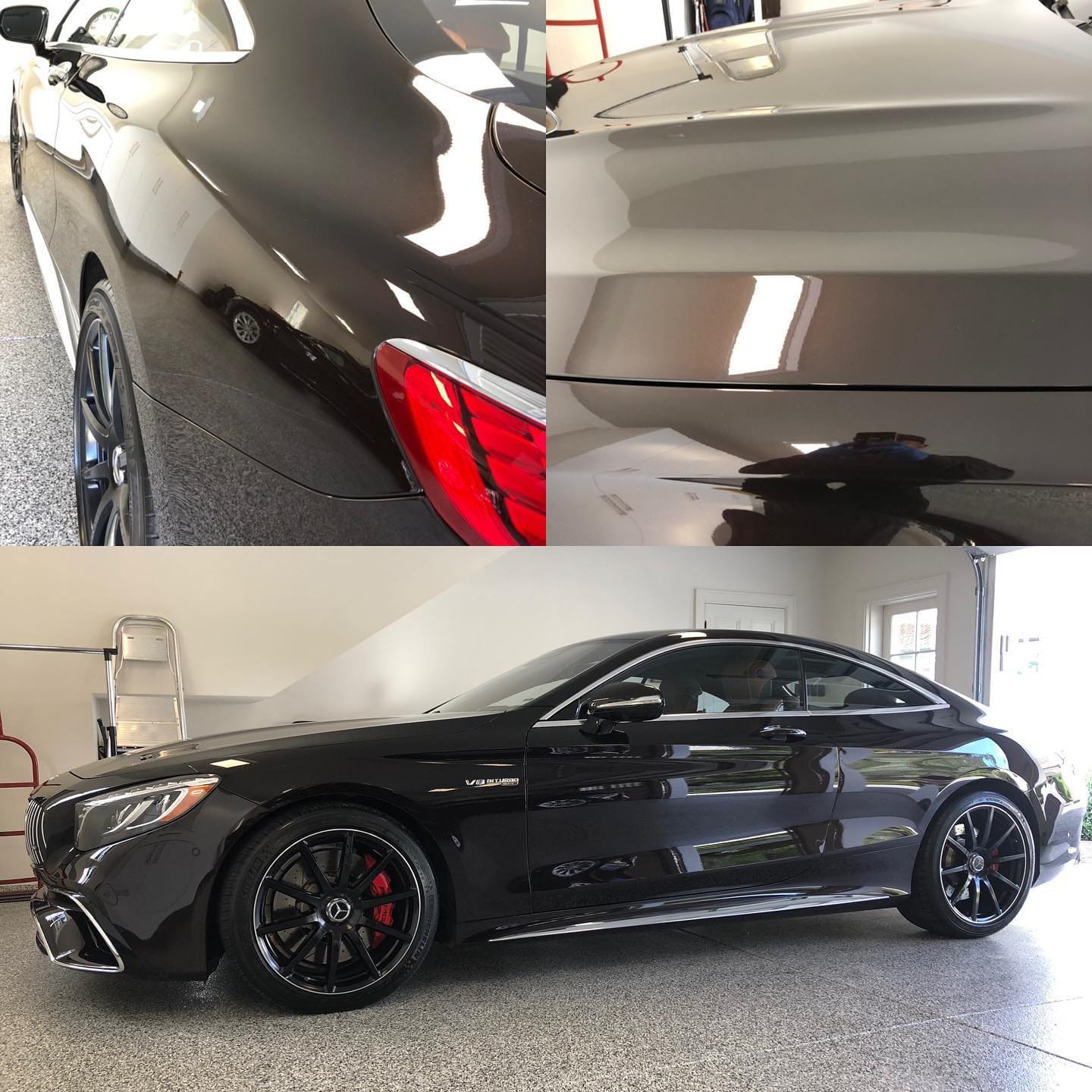
Hugo's Auto Detailing also synchronizes car and boat care for clients who want both assets maintained with the same standard. For a Montecito family, we rotate a monthly car exterior detailing with a quarterly marine detailing, which keeps protection fresh on both without wasting product or time. The crossover helps, paint correction insights from vehicles refine our finish work on painted topsides, and marine ceramic experience keeps us honest about prep on high-use surfaces.
Final thoughts for long-term care
Boats reward routine. A disciplined boat detailing service aligns with how and where you use your vessel. The hard work is front-loaded, correction and deep cleaning, then it is about keeping the surface clean, protected, and dry as often as possible. Match products to materials, sequence tasks to minimize rework, and respect seasonal timing. Whether you maintain it yourself or rely on a professional team, the goal is the same, a hull that slices cleanly, a helm that stays readable and comfortable, and a cabin that you actually want to spend a night in.
Owners who keep that mindset rarely face emergency overhauls. They enjoy shorter detail visits, steadier costs, and a boat that feels ready every time the weather gives you a good window. And on the days when you do need heavy lifting, the foundation you built pays back with faster turnarounds and better results, from hull to helm.